-
Glass cut to measure
I select the model
- Glass panels by brand
-
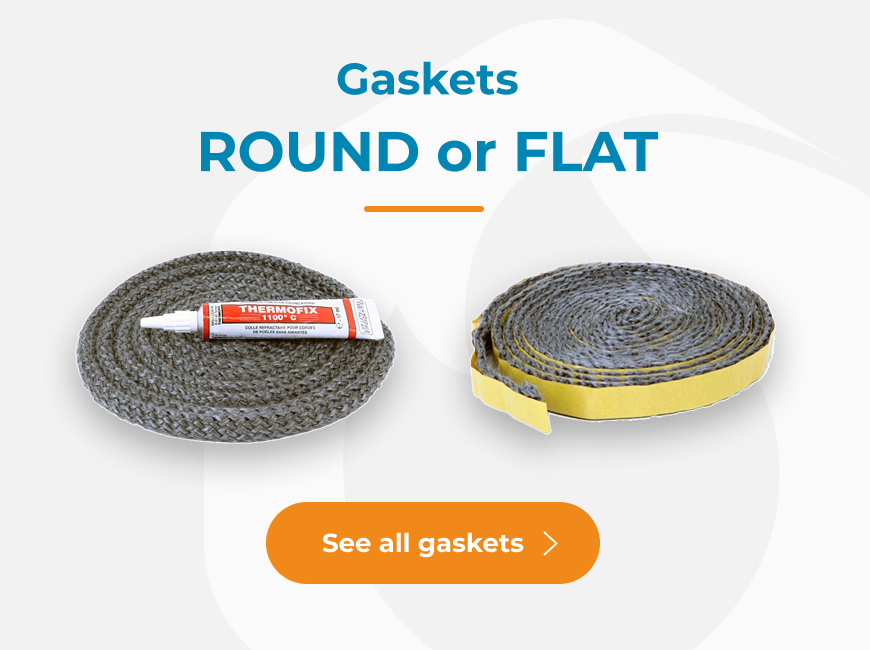
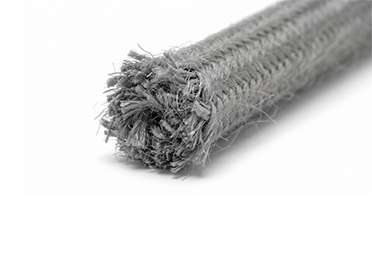
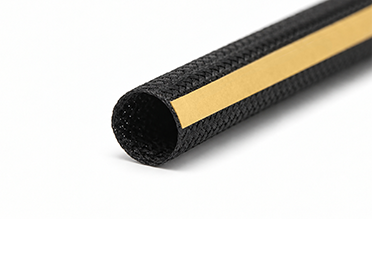
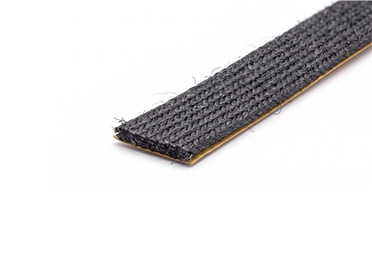
Seals
How do I find my gaskets?




















I search for my window
or
I order
Flue-fitting glossary: decoding all the technical vocabulary
Flue fitting is full of terms that often leave people baffled: relining, draught, DTU 24.1, twin-wall flue... This vocabulary is a real barrier, both for the homeowner having a stove installed and for the professional reading a set of specifications. This glossary explains each word simply.
The 5 terms to know above all
If you're short on time, remember these first. They come up in almost every quote and every site discussion around flue fitting.
- Relining: fitting a liner inside an existing flue.
- Draught: the natural movement that draws the smoke upwards.
- Connecting flue: the visible part that links the appliance to the flue.
- DTU 24.1: the document that sets the rules for installing flues.
- Chimney sweeping: the compulsory cleaning of the flue, once or twice a year.
Types of chimney flues
Chimney flue
The chimney flue is the vertical duct that carries combustion gases outside, above the roof. It can be built from masonry blocks, be metallic in stainless steel, or be insulated. Its cross-section and height follow DTU 24.1. A common mistake is to under-size this flue, which impairs the draught.
Connecting flue
The connecting flue links the appliance outlet to the chimney flue. This is the exposed part, often made of enamelled steel. It must remain visible along its entire run to allow inspection and sweeping.
Single-wall and twin-wall flue
The single-wall flue is made from a single thickness of metal. The twin-wall flue, or insulated flue, adds a layer of rock wool between two tubes to keep the flue gases hot. Twin-wall is used whenever the flue passes through an unheated space or exits through the roof.
Balanced flue
The balanced flue is a system that expels the flue gases and draws in combustion air through the same passage, on a room-sealed appliance. It is found on condensing boilers and some pellet stoves.
Masonry block
The masonry block is a prefabricated element, made of fired clay or concrete, which is stacked to build a masonry flue. For a modern appliance, the inside of an old block-built flue is often relined rather than rebuilt.
Work on an existing flue
Relining
Relining involves sliding a liner, flexible or rigid, inside an existing flue to make it gas-tight and suited to a new appliance. Grade 316L stainless steel is used for wood, or polypropylene (PPs) for a condensing boiler. It is almost always compulsory on an old masonry flue.
Cast-in-situ lining
Cast-in-situ lining renovates a flue by pouring a special mortar against its walls, which recreates a smooth, gas-tight surface. This technique suits damaged but still straight flues and is reserved for a qualified professional.
Tar removal
Tar removal takes out the hardened creosote that has built up in a flue. Creosote is highly flammable and a simple sweep is not enough to remove it. It is carried out by a professional who issues a certificate.
Common materials
Grade 316L stainless steel
Grade 316L stainless steel is a stainless steel that resists corrosion very well. It is the reference material for relining a flue on a wood-burning appliance. Its molybdenum content makes it more resistant to acidic condensates than grade 304 stainless steel.
Polypropylene (PPs)
Polypropylene (PPs) is a plastic that copes with the lukewarm, damp flue gases of condensing boilers, but not the hot flue gases from wood. It is used only at low temperatures. Using it on a wood-burning stove would be dangerous because it would melt.
Rock wool
Rock wool is the insulation slipped between the two walls of an insulated flue. It keeps the flue gases hot and protects neighbouring materials from the heat. Compacted or damp wool loses its effectiveness.
Physics and operating principles
Draught
Draught is the natural suction that pushes hot flue gases up the flue. It depends on the height of the flue, the temperature of the gases and the cross-section. If it is too weak, the gases spill back into the room.
Blowback
Blowback occurs when the flue gases, instead of rising, come back down and escape through the appliance into the room. It is a genuine danger because it exposes you to carbon monoxide. As soon as it appears, you must shut off the appliance, ventilate and call a professional.
Condensation
Condensation appears when the flue gases cool below the dew point and the water vapour turns back into liquid on the wall. An insulated flue and a suitable liner (grade 316L stainless steel or PPs) prevent the problem.
Creosote
Creosote is a black, hard, shiny deposit that forms on the walls when combustion is poor or the wood too damp. Highly flammable, it is the main cause of chimney fires and requires tar removal.
Air supply
The air supply is the intake of fresh air needed for combustion. Without it, the appliance lacks oxygen and the draught collapses. Modern, very airtight homes often require a direct air intake connected to the appliance.
Understanding a flue designation: the example T450 N1 D 3 G50
On a flue's rating plate, you come across a sequence such as T450 N1 D 3 G50. Each block has a meaning defined by the BS EN 1443 standard: T450 is the temperature class (450 C continuously), N1 the pressure class (negative pressure), D the condensation class (dry use), 3 the corrosion resistance (wood and oil) and G50 the resistance to chimney fire with a safety clearance of 50 mm.
Standards and reference documents in flue fitting
|
Reference |
Role |
|
DTU 24.1 |
Rules for the design and installation of chimney flues. |
|
BS EN 1443 |
Flue designation system. |
|
BS EN 1856-1 and 1856-2 |
Requirements for metallic flues and liners. |
|
BS EN 13384 |
Calculation method for sizing a flue. |
Chimney sweeping
Chimney sweeping is the mechanical cleaning of the flue to remove soot. It is compulsory. Local sanitary regulations generally require two sweeps a year for a wood-burning flue, one of which during the heating season.
Frequently asked questions about flue fitting
1. Is relining always compulsory ?
Not systematically, but it is required whenever a modern appliance is connected to an old, non-airtight masonry flue. The liner protects the masonry from condensates and makes the flue-gas discharge safe.
2. How often should the flue be swept ?
For a wood-burning appliance, the general rule is twice a year, one sweep of which during the heating season. A professional will give you a certificate to keep for your insurance.
3. What should you do if smoke comes back into the room ?
This is blowback. Shut off the appliance, ventilate the room and have the draught and air supply checked by a professional, as there is a risk of carbon monoxide.
Vocabulary that's finally clear for your projects
With this glossary, flue-fitting terms become readable, from relining to draught by way of the standard designations. The next quote or set of specifications will read far more quickly. For tailored advice or a part, the team can be reached via the contact us page.
Loading...
check_circle
check_circle