-
Glass cut to measure
I select the model
- Glass panels by brand
-
Seals
How do I find my gaskets?


















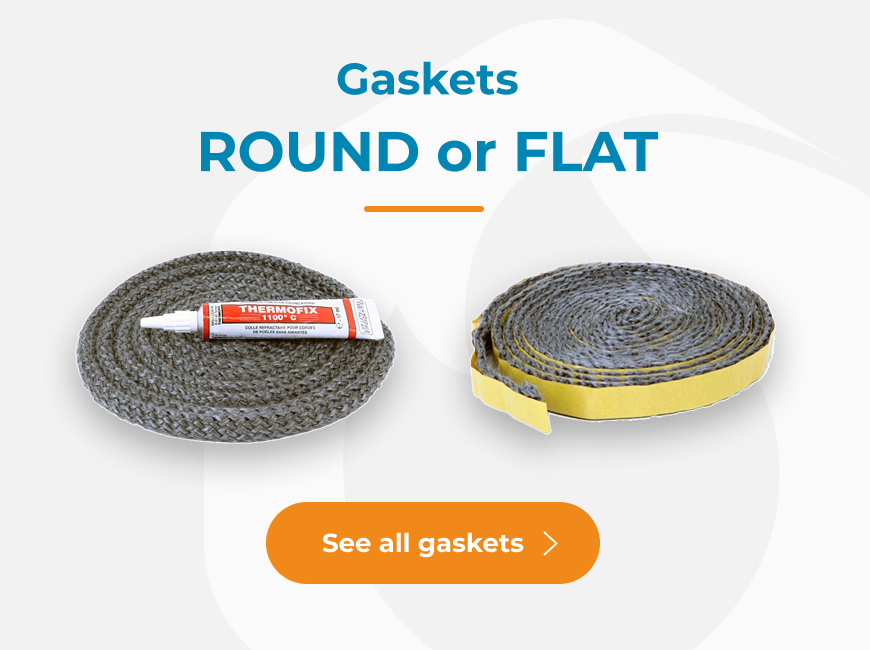

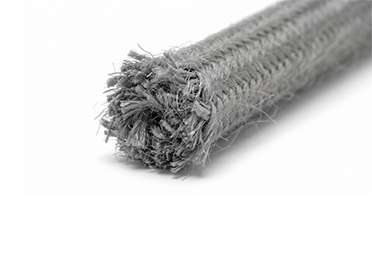
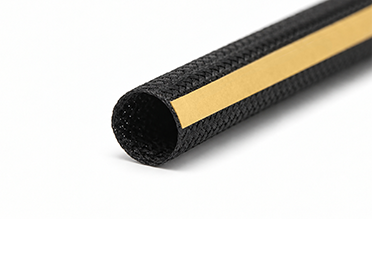
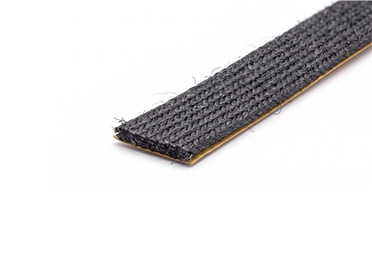

I search for my window
or
I order

How do I clean my chimney flue?
Cleaning your chimney flue is an essential task for any homeowner with a wood-burning heating system. Given the importance of safety, performance and compliance with regulations, this task deserves your full attention. Find out how to do it properly and when to call in a professional to ensure your system works at its best.
Why is chimney flue cleaning essential ?
Every time you use your fireplace, residues are generated which gradually build up on the inner walls of the flue. Soot and creosote deposits are the main enemies of your system. These highly flammable materials can cause devastating chimney fires if they are not removed regularly.
The risks of a poorly maintained flue
A sooty flue poses several major dangers :
- Fire risk : creosote ignites at 150°C and can reach temperatures of 1200°C during a chimney fire
- Carbon monoxide poisoning : a blocked flue prevents the proper evacuation of toxic fumes
- Reduced efficiency : deposits reduce draught and diminish heating performance
- Premature deterioration : the acidity of soot attacks the flue materials
A legal obligation to be observed
While there is no national law in England requiring homeowners to sweep their chimneys, the obligation comes from another equally binding source : your home insurance policy. Most insurers require at least one professional chimney sweep per year for the policy to remain valid. Industry bodies such as HETAS go further, recommending two sweeps annually for wood or coal-burning appliances, ideally before and after the heating season, and at least one per year for smokeless fuels.
Failing to comply can have serious financial consequences. In the event of a chimney fire, your insurer may refuse to cover the damages if you cannot provide a valid sweeping certificate issued by a registered professional.
For landlords, the stakes are even higher: the Landlord and Tenant Act 1985 places a legal duty on them to ensure chimneys and flues are safely maintained throughout the tenancy.
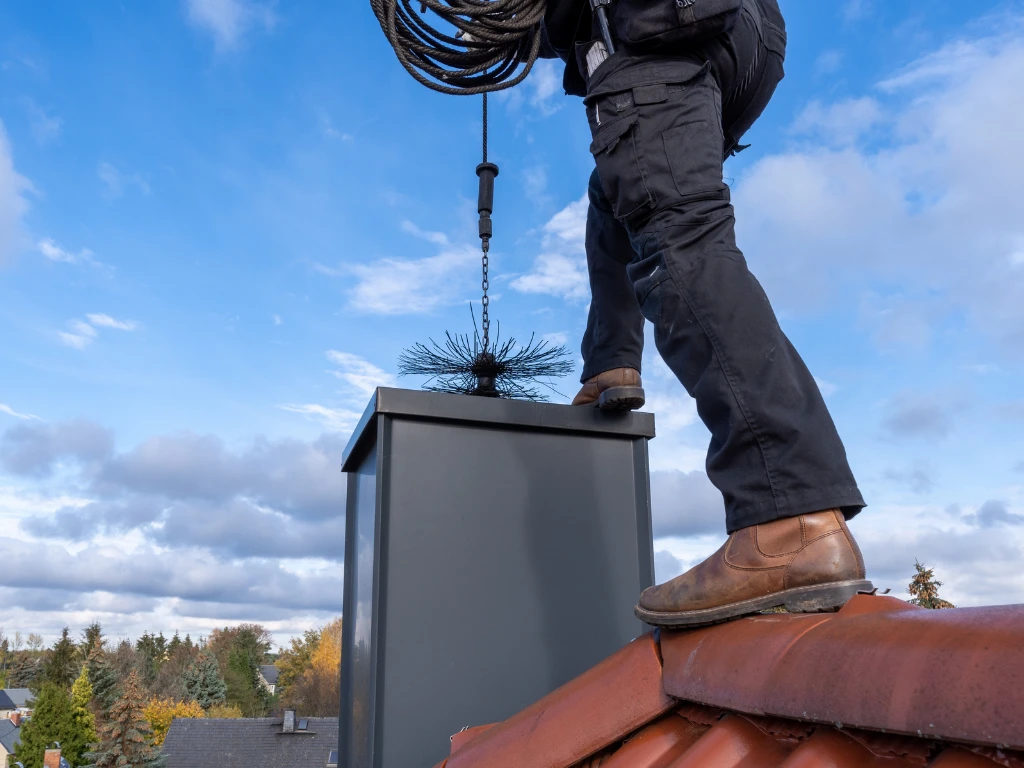
How often should you have your chimney swept?
The frequency of chimney sweeping depends on several factors relating to your usage and the type of fuel used. Here are the recommendations to follow depending on your situation.
Depending on the type of appliance
|
Type of appliance |
Minimum sweeping |
Recommended period |
|
Open fireplace |
Twice a year |
Before and during the heating season |
|
Wood-burning stove / insert |
Twice a year |
Autumn and end of winter |
|
Multi-fuel stove |
Twice a year |
Before and during the heating season |
|
Smokeless fuel appliance |
Once a year |
Before the heating season |
|
Oil/gas boiler |
Once a year |
Before start-up |
Depending on how often you use it
If you use your fireplace as your main source of heating on a daily basis, you should arrange for an extra chimney sweep. Heavy users – those who burn more than 5 cubic metres of wood per season – should consider having their chimney swept three times a year to keep the flue perfectly clean. Not sure if your system needs servicing ? Read our article on the tell-tale signs that your wood-burning stove needs professional maintenance, which will help you identify the warning signs you shouldn’t ignore.
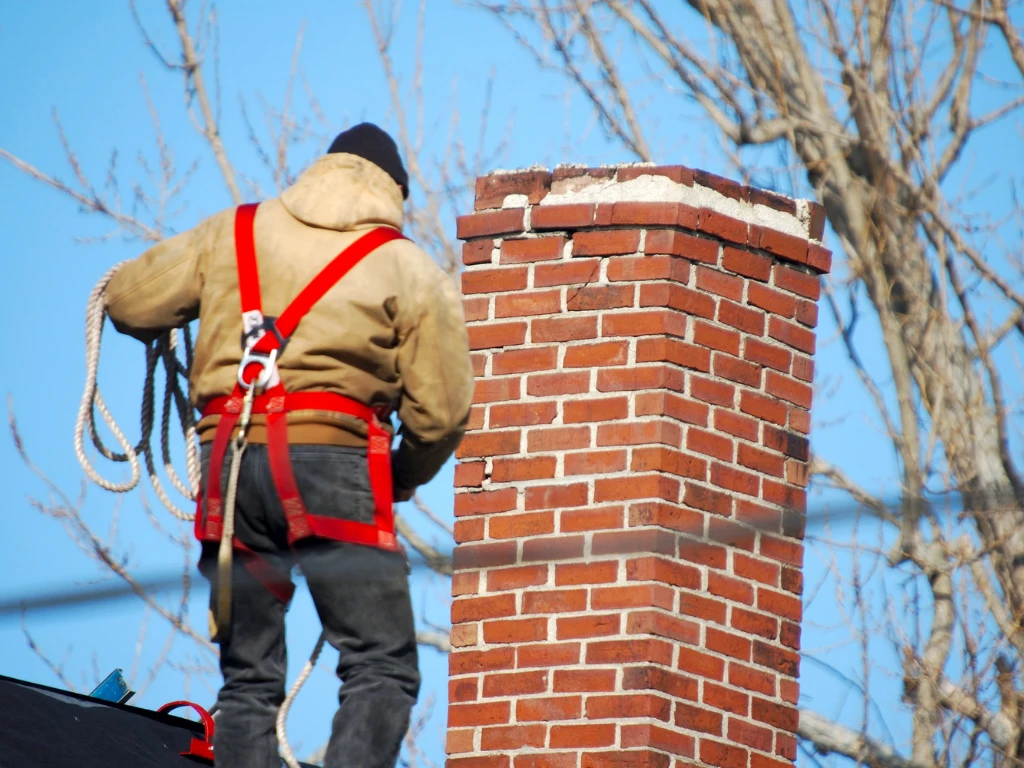
Cleaning an open-fireplace chimney flue: a comprehensive guide
Cleaning an open-fireplace chimney flue requires special attention as this type of installation produces more soot than a closed appliance. The incomplete combustion characteristic of open fireplaces promotes the rapid build-up of deposits.
Preparation before the service
Before starting the cleaning, follow these preparatory steps :
- Wait until the fireplace is completely cold (at least 48 hours after the last fire)
- Remove any ash and debris from the hearth
- Protect the floor and furniture with plastic sheeting
- Close doors and windows to prevent draughts
- Cover the fireplace opening with a damp cloth or sheet
Mechanical chimney sweeping from above
The technique of sweeping from above remains the most effective method for a thorough cleaning of the flue. It requires safe access to the roof and the use of a chimney brush suited to the diameter of your flue.
The brush, attached to flexible or rigid rods, is inserted through the chimney cap and then gradually lowered whilst moving back and forth. This action dislodges soot deposits, which fall into the firebox.
To facilitate regular maintenance between professional chimney sweeps, use an all-season heating appliance and chimney sweep cleaner which helps prevent excessive build-up of deposits.
Chimney sweeping from below
This method is used when access to the roof is impossible or dangerous. The chimney brush is then inserted through the firebox and worked upwards. Although less practical due to soot falling directly into the room, this technique remains effective for a thorough chimney flue clean.
Chimney insert flue sweeping : specific considerations
Chimney insert flue sweeping involves technical considerations that you should be aware of. Unlike an open fire, an insert has a flue system and sometimes a double-walled structure, which complicates the process.
Accessing the flue of an insert
To access the flue properly, you will generally need to :
- Remove the cover plate or baffle located at the top of the fireplace
- Remove the smoke baffle if necessary
- Locate the point where the liner enters the masonry flue
Cleaning involves both the internal liner (usually made of stainless steel) and, if accessible, the space between the liner and the masonry flue where debris can accumulate.
Cleaning the internal components
Take advantage of the chimney insert flue sweeping to clean all the components of your appliance : baffle, protective plates, air intake grilles. These sooty parts reduce combustion efficiency and increase pollutant emissions.
For homeowners keen to keep their insert glass panels spotless, find out how to clean the glass panels on stoves and fireplaces for a perfect view of the flames.
Chimney cleaning logs: a useful addition or a scam?
Chimney cleaning logs raise many questions among fireplace users. This product, marketed as an alternative to traditional chimney sweeping, deserves an objective analysis.
How do chimney cleaning logs work?
The chimney cleaning log contains chemical additives (metal salts, copper sulphate, sodium chloride) which, when burned, release active agents. These compounds rise with the fumes and act on creosote deposits by altering their structure. The soot becomes more brittle and partially detaches from the walls.
The limitations of this product
Despite its usefulness as a supplementary treatment, the chimney cleaning log is by no means a substitute for mechanical chimney sweeping :
- It does not remove thick deposits or hardened tar
- Its effect remains superficial on the flue walls
- No chimney sweeping certificate can be issued following its use
- It does not detect any cracks or defects in the flue
Use it as a supplement between two chimney sweeps to limit the build-up of soot in the flue, but never rely on it for your mandatory annual maintenance.
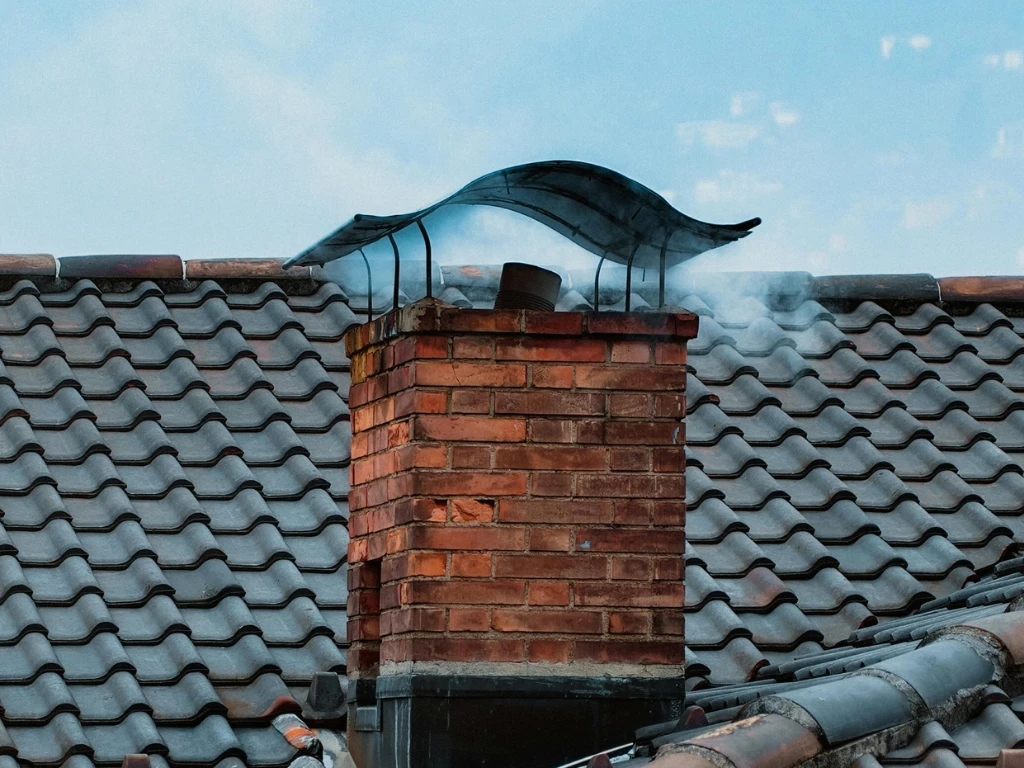
Hiring a professional to clean your chimney flue
Hiring a qualified chimney sweep ensures that your chimney flue is cleaned in accordance with regulations and provides you with legal protection. Here’s how to choose the right service provider.
Skills to check
A professional chimney sweep must have :
- A recognised professional qualification (CAP/BEP or equivalent)
- Professional indemnity insurance
- Equipment suitable for all types of flues
- The ability to issue a valid chimney sweeping certificate
Daily chimney maintenance
Between mandatory chimney sweeps, there are certain habits you can adopt to minimise soot build-up in your chimney and reduce the frequency of major maintenance.
Choose high-quality fuel
The quality of the wood directly affects soot build-up in the flue. Opt for dry wood (less than 20% moisture content), stored in a sheltered place for at least two years. Hardwoods (oak, beech, ash) produce less residue than softwoods.
You must absolutely avoid burning :
- Treated or painted wood
- Damp or freshly cut wood
- Household waste or plastics
- Large quantities of cardboard
Adopt the right heating habits
A lively burn with a good supply of air limits deposits. Avoid running your insert at a low heat for prolonged periods, as this encourages tar to condense on the cold walls of the flue.
Get the right equipment for regular maintenance
To keep your system in perfect condition, equip yourself with a complete insert stove cleaning kit including an ash vacuum, suitable detergent and chimney sweeping accessories. Regular maintenance extends the life of your equipment and ensures optimal performance throughout the season.
Your chimney deserves regular attention
Chimney sweeping is a responsible measure that protects your home from the risks of fire and carbon monoxide poisoning. By combining the services of a qualified professional twice a year with regular maintenance between sweeps, you’ll enjoy a chimney that’s efficient, economical and safe. Don’t wait until the first cold spells to book your next chimney sweep : professionals are often very busy in the autumn.
Loading...
check_circle
check_circle