-
Glass cut to measure
I select the model
- Glass panels by brand
-
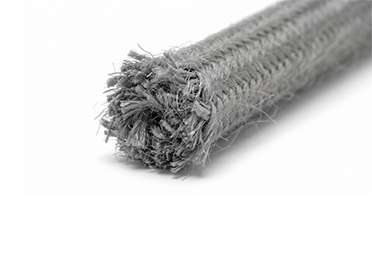
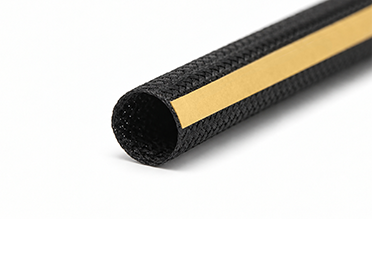
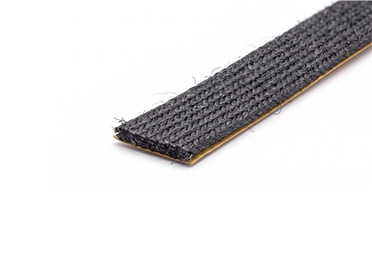
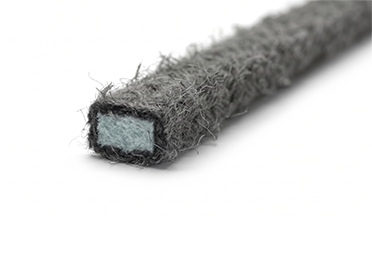
Seals
How do I find my gaskets?






















I search for my window
or
I order
Signs that your wood stove needs professional maintenance: a complete guide
What are the signs that your wood stove needs professional maintenance
Your wood stove is more than just a heating appliance—it's the heart of your home during cold months. But like any hardworking system, it communicates when something isn't right. Recognizing these warning signs early can prevent dangerous situations, costly repairs, and ensure your stove operates at peak efficiency. Here's everything you need to know about identifying when your wood stove is calling for professional attention.
Visible smoke escaping into your living space
One of the most obvious and concerning indicators that your wood stove requires immediate professional inspection is smoke entering your room instead of going up the chimney. This isn't just an annoyance—it's a potential health hazard and a clear sign of malfunction.
Common causes of smoke leakage
When smoke escapes from places it shouldn't, several issues could be at play:
- Deteriorated door seals that no longer create an airtight closure
- Blocked or partially obstructed chimney flue
- Negative air pressure in your home competing with the draft
- Damaged or warped stove components
- Creosote buildup restricting proper airflow
If you notice smoke seeping around the door edges or through joints in the stove body, stop using the appliance and contact a certified technician. Continuing to operate a smoking wood stove exposes your household to carbon monoxide and other harmful combustion byproducts.
The importance of proper door seals
Door gaskets play a critical role in maintaining combustion efficiency and safety. Over time, these seals compress, harden, and crack from repeated heating and cooling cycles. A simple test: close the door on a piece of paper. If you can pull the paper out easily without resistance, your seals need replacement. Quality replacement gaskets ensure your wood stove maintains proper air intake control and prevents dangerous smoke leakage.
Difficulty starting or maintaining fires
A well-maintained wood stove should ignite easily and sustain a steady burn with properly seasoned wood. When you find yourself struggling with fires that won't catch or flames that constantly die down, your stove is telling you something important.
Signs of combustion problems
Pay attention to these fire-related warning signals:
- Fires that smolder instead of burning cleanly with visible flames
- Excessive smoke production even with dry, seasoned firewood
- The need to constantly adjust air controls to keep flames alive
- Fires that seem "choked" despite open air vents
- Unusual difficulty achieving high temperatures
These symptoms often point to airflow restrictions, whether from creosote accumulation in the flue, damaged baffle plates inside the stove, or deteriorating firebricks that no longer reflect heat properly. A professional can diagnose the exact cause and restore your stove's performance.
Damaged or cloudy glass door
The glass panel on your wood stove does more than provide an attractive view of dancing flames. It's an engineered component designed to withstand extreme temperatures while maintaining a tight seal. When this glass shows signs of damage, professional intervention becomes necessary.
Types of glass damage to watch for
| Type of damage | What it looks like | Severity level |
|---|---|---|
| Hairline cracks | Fine lines spreading across the surface | High - replace immediately |
| Chips or nicks | Small pieces missing from edges | Medium to high |
| Permanent cloudiness | Hazy appearance that won't clean off | Medium |
| Discoloration | Yellow or brown tinting | Medium |
| Warping | Glass no longer sits flat in frame | High - structural risk |
Cracked glass is particularly dangerous because thermal stress can cause sudden failure during operation. Even minor damage compromises the seal and can allow combustion gases into your living space. If your wood stove glass shows any cracking, stop using the appliance until you've installed properly fitted glass cut to measure for your specific stove model.
Never operate a wood stove with cracked or missing glass. The ceramic glass used in stoves is specially engineered to handle extreme heat—regular glass will shatter, creating a serious fire hazard and potential injury risk.
Unusual odors during operation
Your nose can be a powerful diagnostic tool when assessing wood stove health. While a slight wood-burning smell is normal, certain odors indicate problems that warrant professional attention.
Concerning smells and their meanings
- Chemical or acrid odor: May indicate burning paint, damaged components, or foreign objects in the flue
- Strong creosote smell: Suggests dangerous buildup in the chimney system
- Metallic burning scent: Could mean overheating or damaged internal parts
- Persistent musty odor: Often indicates moisture problems in the chimney
- Sulfur or rotten egg smell: Potentially signals a chimney blockage from animal debris
These odors shouldn't be ignored or masked. They're symptoms of underlying issues that could escalate into serious safety hazards, including chimney fires or carbon monoxide poisoning.
Visible rust and corrosion
While wood stoves are built to endure extreme conditions, they're not immune to deterioration. Rust and corrosion compromise both the structural integrity and operational safety of your appliance.
Where to inspect for corrosion
Conduct regular visual inspections of these areas:
- The stove body, particularly around welded joints
- Legs and base supports
- Door hinges and handle mechanisms
- Air intake vents and controls
- Flue collar where the stovepipe connects
- Interior surfaces visible through the glass
Surface rust on cast iron can sometimes be addressed with proper maintenance products, but deep corrosion or rust that has eaten through metal requires professional assessment. Holes or thin spots in the stove body can allow flames, sparks, or carbon monoxide to escape—a serious fire and health risk.
Decreased heating efficiency
When your wood stove no longer heats your space as effectively as it once did, despite burning the same amount of quality firewood, internal problems likely exist that need professional diagnosis.
Efficiency loss indicators
Watch for these signs that your stove isn't performing optimally:
- Burning significantly more wood to achieve the same room temperature
- Shorter burn times requiring more frequent reloading
- Cold spots on the stove body that should be radiating heat
- Excessive ash production relative to wood consumed
- The stove surface not reaching expected operating temperatures
Internal components that affect efficiency
Several parts inside your wood stove work together to maximize heat output:
| Component | Function | Signs of failure |
|---|---|---|
| Firebricks | Insulate and reflect heat | Cracking, crumbling, missing pieces |
| Baffle plate | Directs heat flow and improves combustion | Warping, holes, displacement |
| Catalytic combustor | Burns smoke particles for extra heat (in catalytic models) | Clogging, physical damage |
| Secondary air tubes | Enable secondary combustion | Holes, blockage, disintegration |
A certified technician can inspect these internal components and replace worn parts to restore your stove's heating capacity.
Strange sounds during operation
A healthy wood stove produces predictable sounds: the gentle crackle of burning wood, the soft whoosh of proper draft, and occasional settling noises from the fire. Unusual sounds demand attention.
Sounds that signal problems
- Loud popping or banging: Often indicates excessive creosote or moisture in the chimney
- Persistent rattling: Could mean loose internal components or damaged baffles
- Roaring or rushing sounds: May suggest an overfire condition or chimney issues
- Ticking or pinging when cold: Normal expansion and contraction, but excessive noise warrants inspection
- Scraping or grinding: Possibly indicates debris in the flue or damaged parts
Don't dismiss unusual sounds as quirks of an aging stove. They're often early warnings of problems that will worsen without professional intervention.
Excessive creosote buildup
Creosote—the tar-like substance that accumulates in chimneys and flue systems—is the leading cause of chimney fires. While some buildup is inevitable with wood burning, excessive accumulation signals a maintenance emergency.
Understanding creosote stages
Creosote progresses through increasingly dangerous stages:
- First stage: Flaky, soot-like deposits that are relatively easy to remove
- Second stage: Shiny, tar-like coating that requires more aggressive cleaning
- Third stage: Hardened, glazed creosote that is extremely difficult to remove and highly flammable
Professional chimney sweeps recommend annual inspections and cleaning when creosote buildup reaches 3mm (⅛ inch) thickness. Third-stage creosote may require special chemical treatments or professional mechanical removal.
Factors that accelerate creosote formation
Understanding what causes rapid creosote buildup helps you recognize when your wood stove system needs professional attention:
- Burning unseasoned or green wood with high moisture content
- Restricting air supply too much, causing incomplete combustion
- Cool flue temperatures that allow smoke to condense
- Oversized flue relative to stove output
- Damaged or poorly insulated chimney systems
When your annual inspection is overdue
Even if your wood stove appears to be functioning normally, regular professional maintenance is essential for safety and longevity. Industry standards recommend annual inspections before each heating season.
What professional maintenance includes
A thorough professional service typically covers:
- Complete chimney sweep and creosote removal
- Inspection of all stove components for wear or damage
- Testing of door seal integrity
- Examination of firebricks, baffles, and internal parts
- Assessment of flue connections and joints
- Verification of proper draft and airflow
- Check of clearances to combustible materials
Skipping annual maintenance might seem like a money-saver, but it dramatically increases your risk of chimney fires, carbon monoxide exposure, and expensive emergency repairs.
Protecting your investment and your family
Your wood stove represents a significant investment in home comfort and energy independence. Recognizing the warning signs outlined above—smoke leakage, fire difficulties, damaged glass or seals, unusual odors or sounds, rust, decreased efficiency, and creosote buildup—empowers you to act before small issues become dangerous situations. Don't wait for a crisis. Schedule regular professional maintenance, address warning signs promptly, and enjoy the warmth and ambiance of your wood stove with complete peace of mind for years to come.
Loading...
check_circle
check_circle