Stove and Insert Glass Gasket: How to Choose the Right One for Its Location

Before measuring your seal: first look at where it sits

Is smoke escaping around your wood stove glass, is the glass blackening faster than before, or is the fire hard to control? The glass seal is often one of the causes. The right approach is not to look for a diameter first, but to look at where the seal is fitted.

Every stove glass has a designated location for the seal. Depending on the model, the seal may sit in a rounded channel or a square groove, lie flat, or be placed under a retaining strip that holds the glass. These locations determine the shape of your seal. A round seal in a square groove will never be airtight, even at the right size.

This guide helps you recognise the type of location, know which seal shape fits it and take the right measurement.
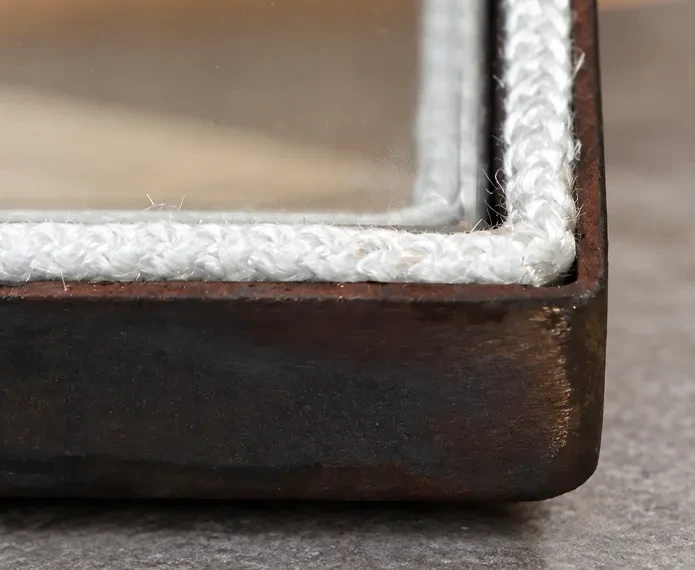
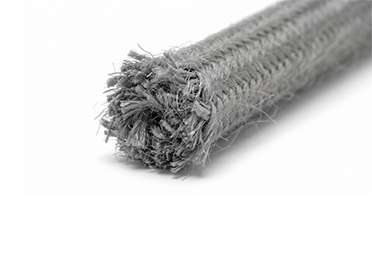
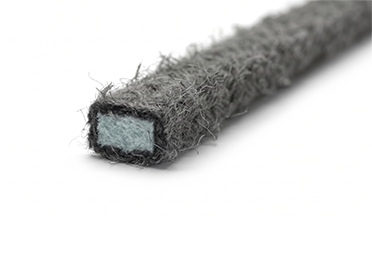
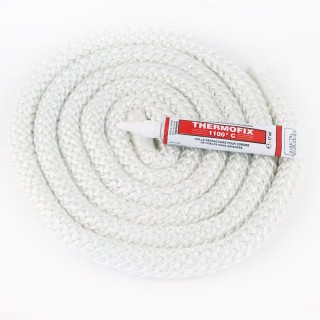
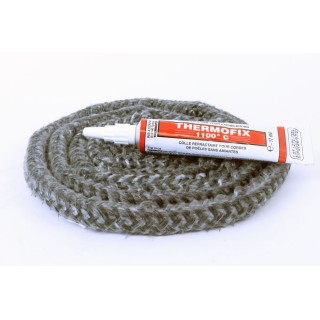
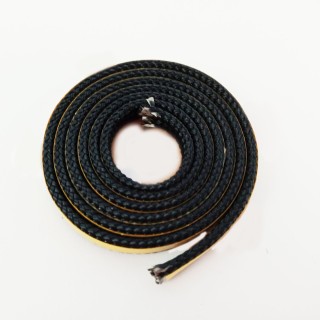
braided round rope seal in the groove

Step 1: identify the seal location on your glass

Open the door of your appliance when it is completely cold and look at the edge of the glass or the door frame, where the old seal sits. If there is no seal left, look at the bare metal. Its shape will tell you everything. There are four common locations.

Location

What it looks like

Compatible seal shape

Measurement to take

Channel (round groove)

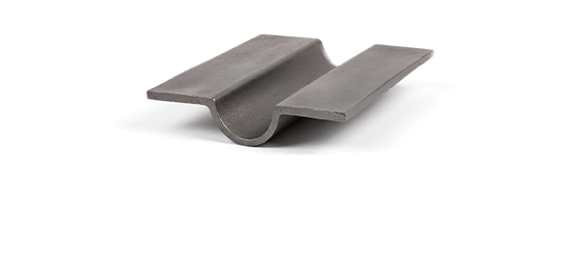
A rounded, semicircular hollow

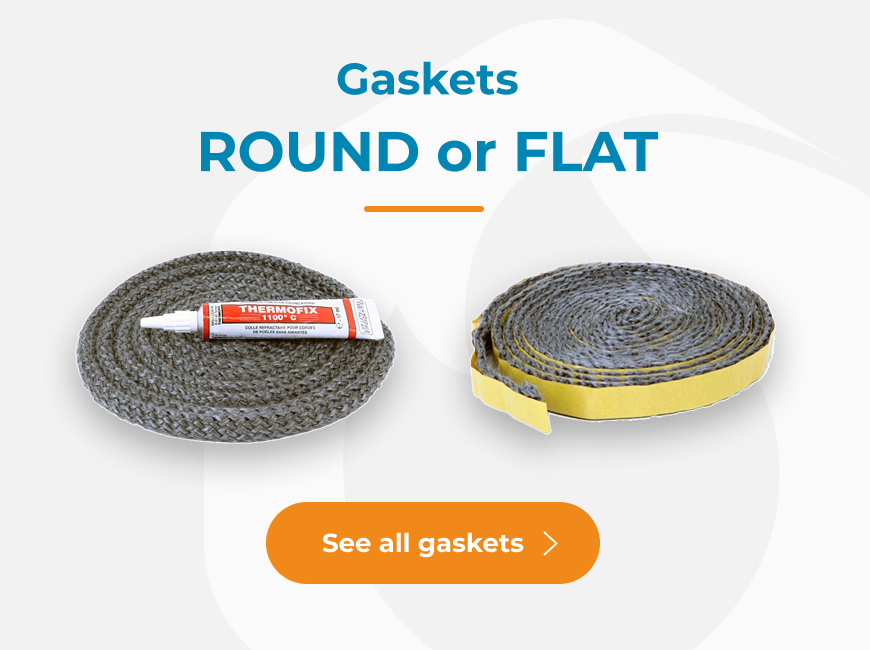
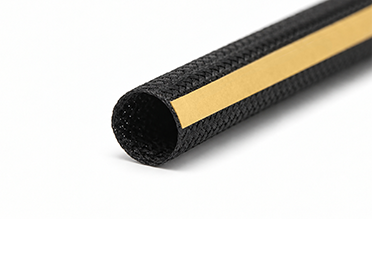
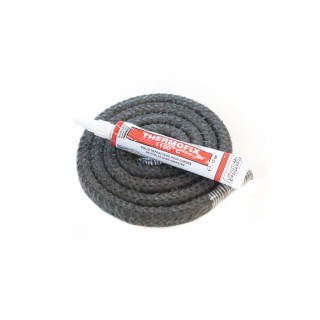
Solid round rope seal, reinforced tubular seal (image)

Channel width = seal diameter

Square groove

A narrow notch with straight sides, deeper than it is wide

Rectangular seal

Groove width + depth

Flat surface

A flat surface with no hollow, where the glass rests

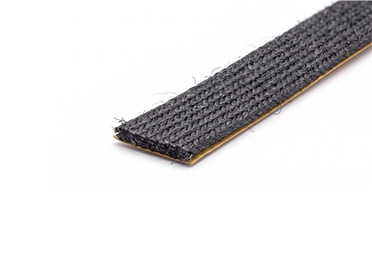
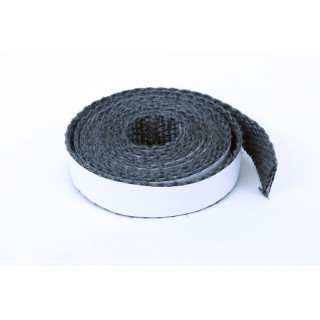
Flat seal, soft tubular seal

Seal thickness (1 to 4 mm) + bearing width

Under retaining strip

A screwed-on metal bar or frame pressing the glass

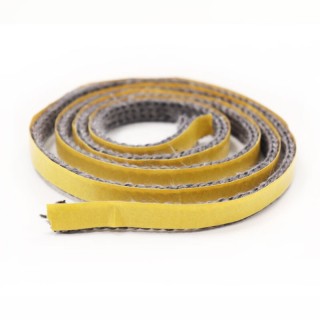
Lip seal 

Thickness of the gap between glass and strip

Unsure between two locations? The simplest criterion is the bottom:

Rounded = channel

Flat with straight sides = square groove

No edge at all = flat surface

A bar over the glass = under retaining strip

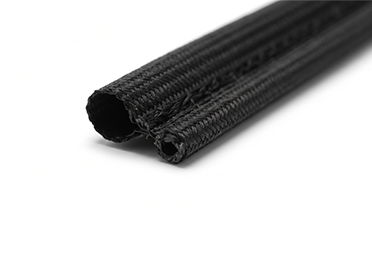
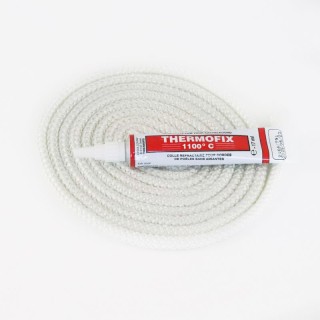
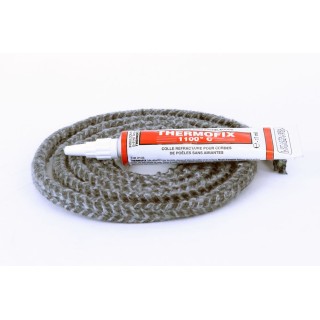
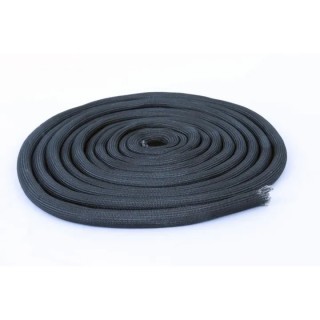
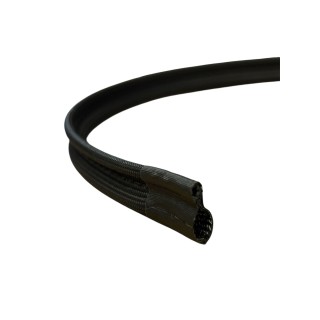
round or reinforced tubular seal

Channel location (round groove)

If your glass seal sits in a rounded, semi-circular groove, you need a round seal. This is the most common type of seat on wood-burning stoves and inserts.

How do I recognise it?

The metal forms a small, rounded U-shaped channel. The old seal, if it's still there, looks like a braided cord, often grey.

Which types of seal fit it?

  • Solid round seal: a glass-fibre braid that is dense throughout its thickness. This is the standard choice for a groove.
  • Reinforced tubular seal: hollow inside but reinforced with a metal core that stops it from flattening. It keeps its round shape in the groove.

Please note: a soft tubular seal (without reinforcement) is not suitable here. It gets crushed and no longer fills the groove.

How do I choose the size?

The width of the groove is equal to the diameter of the seal.

Width of the seat = seal ø

Example: a groove 8 mm wide takes a round seal 8 mm in diameter. Measure the width from one edge of the groove to the other, not the depth.

Good to know: don't use the diameter of the old seal as a reference. Over time and with heat, it has compressed and often measures 1 to 2 mm less than it did originally.

Likewise, don't use a calliper to measure the diameter of a seal, as it is a flexible material that can deform and stretch.

rectangular seal

Square groove seat

If the seal seat is a narrow notch with straight sides and a flat bottom, you have a square groove. It only takes a rectangular seal.

How can you recognise it?

The notch is noticeably deeper than a channel. Its depth is equal to or greater than its width. The original seal has a rectangular cross-section, often with a stiffer core in the centre.

Which stoves are concerned?

This type of seat is uncommon. It is mainly found on certain brands such as Supra and Richard Le Droff. If your stove is from another manufacturer and you think it has a square groove, please contact us beforehand.

How do you choose the size?

A rectangular seal is described by two measurements.

Example: a 6x12mm seal

  • The smaller measurement corresponds to the width of the groove.
  • The larger measurement corresponds to the height of the seal, which protrudes from the groove so that it compresses against the body of the appliance and sometimes the glass.

Good to know: the seal should fit into the groove without forcing, but with no side-to-side play. If it moves from left to right, it is too narrow. If you have to hammer it in, it is too wide.

Flat seal or soft tubular seal

Flat Seating Surface Fitting Position (Flat Rebate)

If the glass rests directly on a flat surface of the frame, with no groove or lip to hold the seal, you have a flat rebate. Two types of seal are suitable: the flat seal and the soft tubular seal.

How do you recognise it?

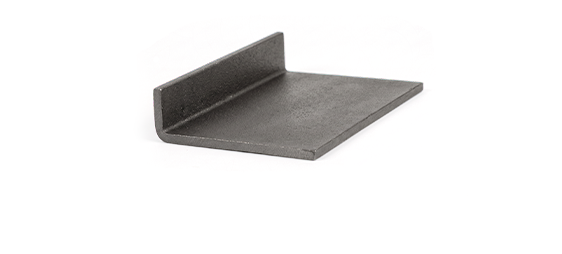
The metal forms a simple right-angled ledge, like an angle bracket. The glass sits on top of it and is held in place by fixing brackets or clips.

Which seals are suitable?

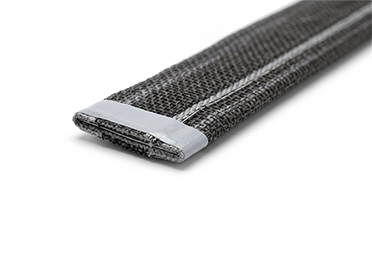
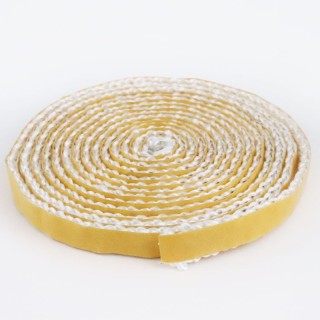
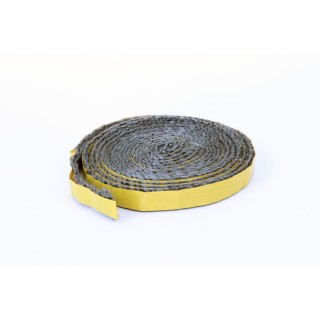
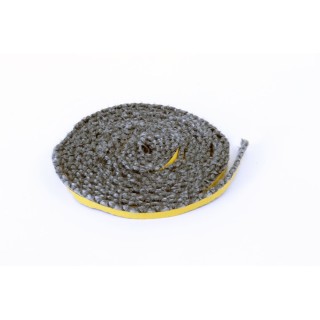
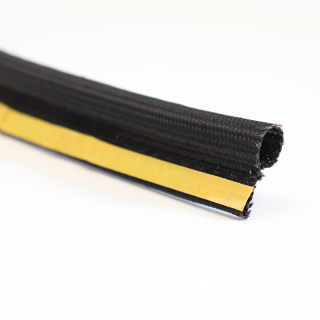
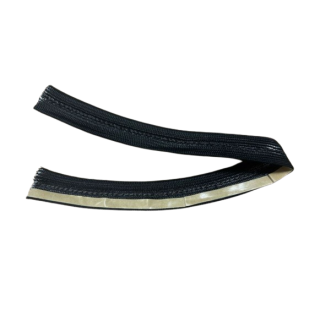
  • The flat seal: a thin woven tape, often self-adhesive on the back to avoid any extra thickness from glue. It is laid flat on the rebate or directly on the glass.
  • The soft tubular seal: hollow, with no inner core. Once the glass is tightened, it compresses until it becomes flat. It is better at compensating for small irregularities in the frame.

How do you choose the size?

On a flat rebate, it is the thickness of the seal that needs to be determined. It usually ranges from 1 mm to 4 mm. Then choose a width that covers the bearing surface of the glass without overhanging on the firebox side.

The key thing to check: the gap between the fixing (bracket, clip) and the flat rebate must leave enough room for the glass and the seal, without putting them under strain.

  • Seal too thick: the glass is clamped too tightly and may crack when heating up.
  • Seal too thin: the glass has play, the seal is poor and the glass blackens quickly.

Tip: measure the space available under the fixing, subtract the thickness of the glass (often 4 or 5 mm for ceramic glass), and you have the maximum seal thickness.

Good to know: These seals are often fitted along the sides and bottom of the glass, deliberately allowing air to enter at the top. Be sure to follow your appliance's instructions for use to avoid any problems with airflow and combustion.

Lip seal

Fitted under a retaining strip

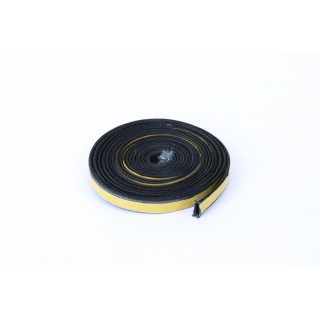
If your glass is held against the door by a metal bar, a retaining strip or a metal frame, this seal sits under the strip. You need a lip seal.
How do I recognise it?

You can see one or more retaining bars around the edge of the glass. The seal protrudes slightly between the glass and the bar.

How is it fitted?

The lip seal slides in between the glass and the retaining bar. It is not glued (except for the self-adhesive version) but simply held in place by the pressure of the strip. The lip, i.e. the thickest part, must sit between the edge of the glass and the fixing bar.

This seal can often be reached without removing the glass. Simply loosen the screws on the strip slightly, remove the old seal and slide in the new one.

How do I choose the right size?

Measure the gap between the glass and the fixing bar, as well as the width of the area covered by the strip. The seal should fill this gap without preventing the strip from being screwed back flat.

Good to know: Having this type of seal does not prevent you from also using a seal between the glass and the door frame.

The most common mistakes to avoid

- Measuring the old seal rather than the location. A worn seal is compressed and hardened, giving too small a measurement.

- Fitting a round seal on a flat surface. With no hollow to hold it, it rolls, shifts and the glass bears badly.

- Fitting a soft tubular seal in a channel. It flattens at the bottom of the hollow and no longer touches the glass. In a channel, only the reinforced tubular seal is suitable.

- Choosing a seal that is too thick "to be safe". The glass ends up under stress and can break at the first fire.

- Overtightening the fixings after fitting. Tighten just enough for the glass to move slightly in the frame.

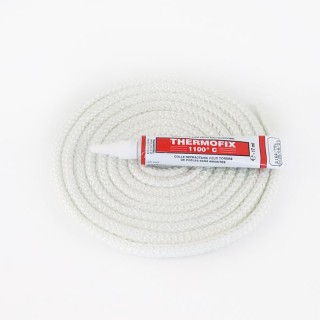
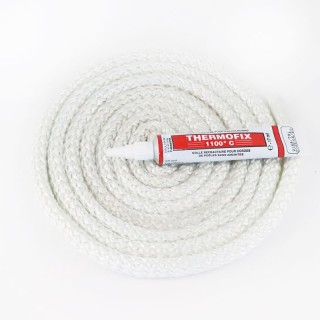
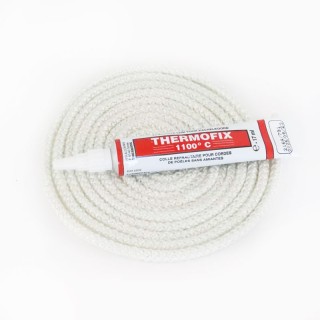
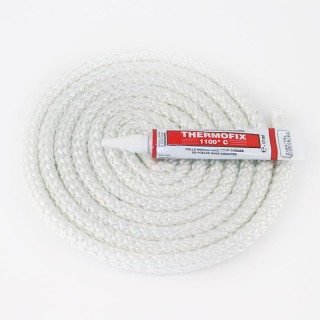
- Forgetting the adhesive when the seal isn't self-adhesive, in a channel or on a flat surface. Use a heat-resistant adhesive designed for stove seals. Apply it in a thin bead, sparingly.

Good to know: for optimal sealing of your appliance, make sure that a sheet of paper placed between the door and the appliance body cannot slide out when pulled.

Still unsure? Don't hesitate to contact our customer service. Send us a photo of your seal location and we'll help you find the seal you need.

Loading...