-
Glass cut to measure
I select the model
- Glass panels by brand
-
Seals
How do I find my gaskets?


















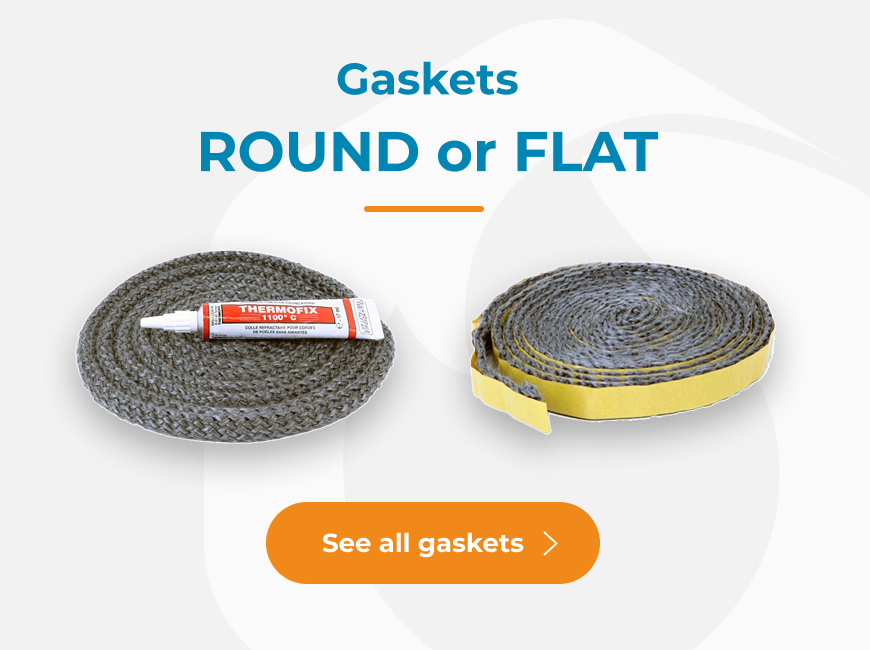

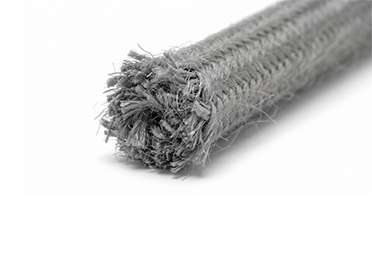
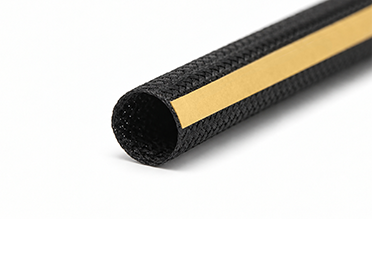
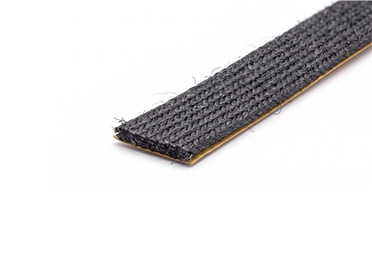


I search for my window
or
I order
How Many Times a Year Should You Maintain Your Fireplace Insert ?
A fireplace insert heats well, uses less wood than an open fireplace and lasts a long time... as long as you take care of it. But in practical terms, how often should you carry out fireplace insert maintenance ? Once a year, twice, more ? Here's everything you need to know to keep your appliance in good condition and running safely.
The mandatory annual maintenance: chimney sweeping
You must have your flue swept at least once a year, and twice a year if you use your insert as your main heating source.
Chimney sweeping removes the soot and creosote deposits that build up in the flue with each use. These deposits are flammable and can cause a chimney fire if nothing is done. A professional chimney sweep comes with the appropriate tools and gives you a sweeping certificate to keep in a safe place.
The best time to schedule this sweeping ? Before winter, ideally in September or October, before firing up your insert for the cold season. You can also have a second one done at the end of the season, in spring, to leave the flue clean during the summer.
Daily and seasonal fireplace insert maintenance
Aside from the annual chimney sweeping, there are regular tasks to perform to keep your insert in good condition throughout the year. You can often do these yourself, without needing to call in a professional.
Empty and clean the ash pan regularly
During the heating season, remember to empty the ash pan once or twice a week depending on how often you use it. An overfilled ash pan reduces draft and can impair combustion. Always keep a little ash at the bottom to protect the grate and make it easier to light the next fire.
Clean the inside of the fireplace insert
Cleaning the inside of the fireplace insert is a task to do once or twice a month during the heating season. With a suitable brush, you can remove soot deposits from the internal walls, the combustion chamber and the grate. This step helps prevent the build-up of residue that, over time, reduces the appliance's performance.
For deeper, more thorough maintenance, chemical sweeping can complement mechanical sweeping. These are products you burn in the insert that attack stubborn deposits in the flue. It's a handy solution to use as a supplement, not a replacement for professional sweeping.
Check the fireplace insert door seal
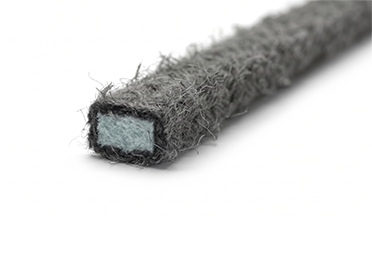
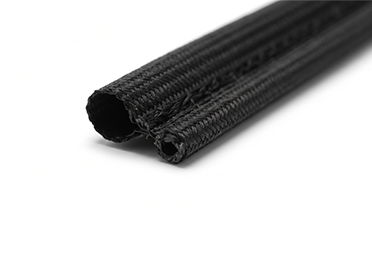
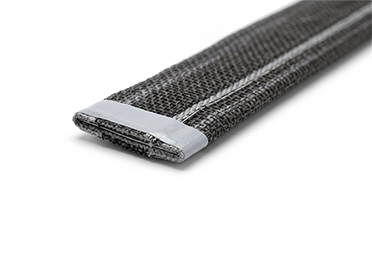
The fireplace insert door seal is a wear part that is often overlooked. Yet it plays a very concrete role: it ensures the door is airtight and allows you to control the air supply to the combustion chamber. A damaged seal means a direct loss of efficiency and sometimes even a risk of carbon monoxide being released into the room.
To find out whether your seal is still in good condition, there's a simple test: slide a sheet of paper between the door and the insert frame, close the door and pull the sheet. If it slides out without resistance, the seal is worn and needs to be replaced. Do this test once a year, preferably before the heating season.
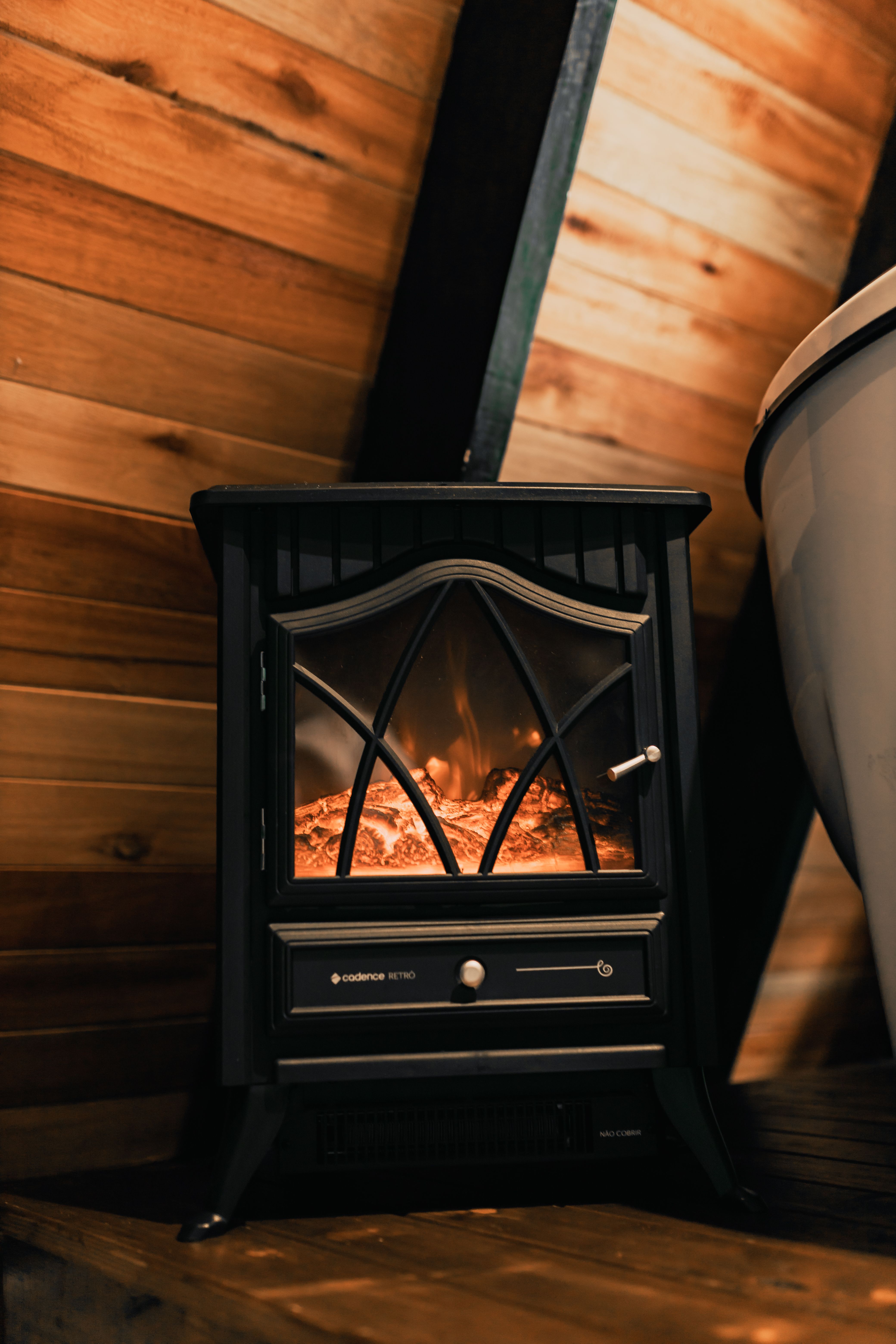
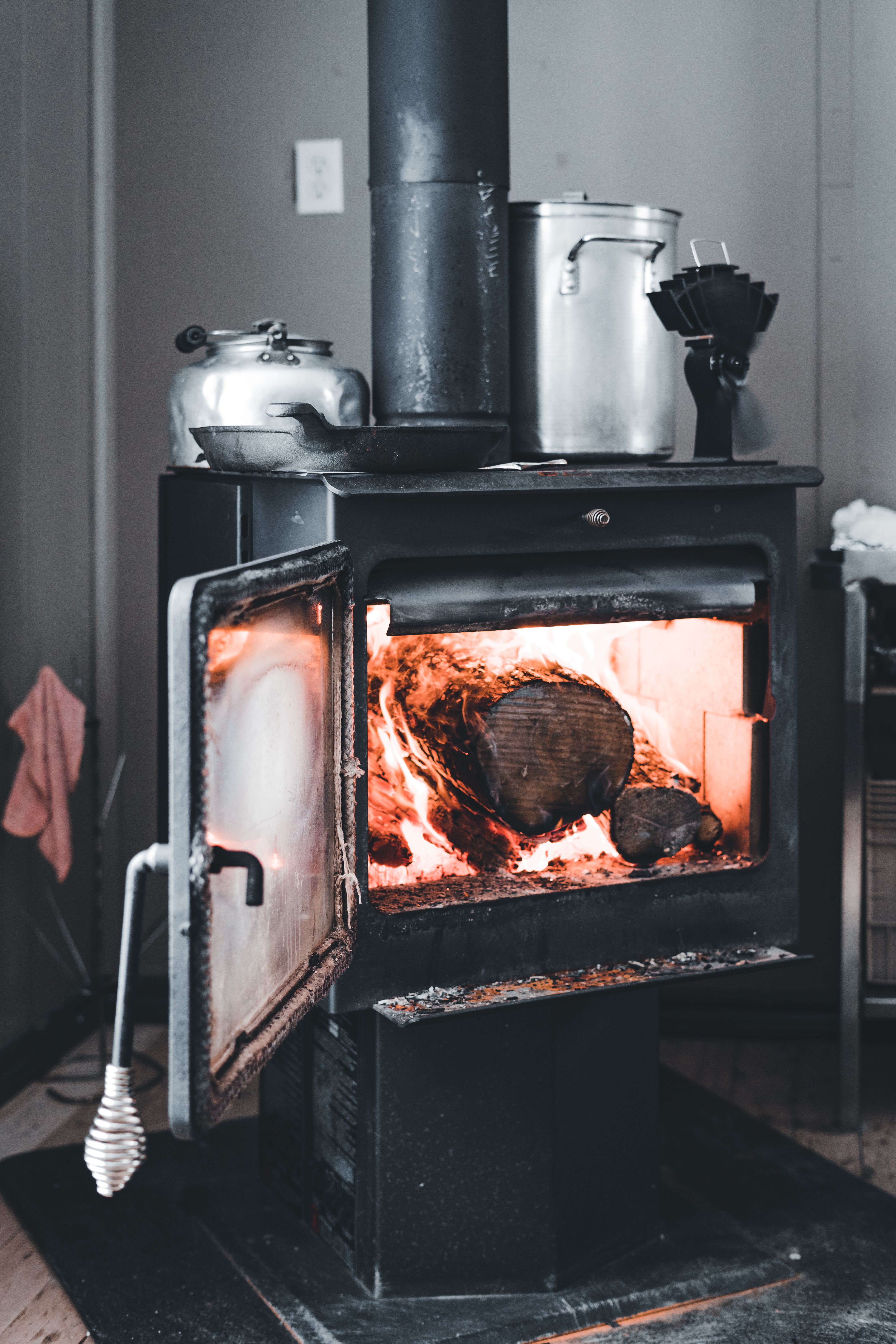
Check the insert's sealing gaskets
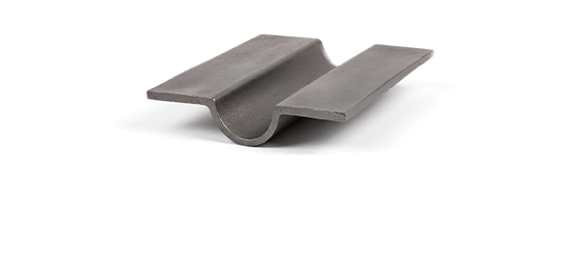
Beyond the door seal, you should also check the insert's sealing gaskets as a whole: the flue connection gaskets, the glass gaskets and the combustion chamber gaskets. These elements age with heating cycles and temperature variations.
A visual inspection once a year is enough in most cases. If you spot cracks, crushed sections or areas that no longer hold properly, they should be replaced before firing up again. These are inexpensive parts, but their condition has a direct impact on the safety and efficiency of your insert.
Fireplace insert maintenance before winter: the full check-up
Fireplace insert maintenance before winter is the key moment of the year. This is when you give your appliance a complete once-over to be sure everything is in order before the first fire of the season.
Here are the things to check before winter:
- Flue sweeping done or scheduled
- Complete cleaning of the inside of the insert (walls, grate, ash pan)
- Inspection and replacement if needed of the door seal
- Check of all sealing gaskets
- Inspection of the glass (deposits, possible cracks)
- Check that the air dampers are working properly
If you have the slightest doubt about the condition of your insert, call in a professional before using it. It's better to take the time to check than to take a risk during the cold season.
| Task | Frequency | Who? |
|---|---|---|
| Empty the ash pan | 1 to 2 times a week (season) | Yourself |
| Clean the inside of the insert | 1 to 2 times a month (season) | Yourself |
| Check the seals (door, gaskets) | Once a year (before winter) | Yourself |
| Flue sweeping | 1 to 2 times a year | Professional |
| Full check-up before winter | Once a year | Yourself / Professional |
Loading...
check_circle
check_circle