-
Glass cut to measure
I select the model
- Glass panels by brand
-
Seals
How do I find my gaskets?




















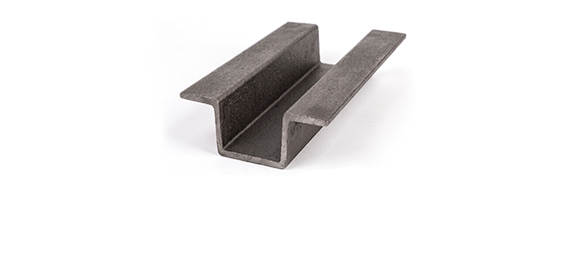
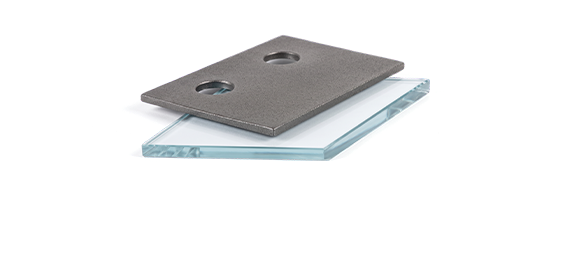


I search for my window
or
I order
Why Your Stove Glass Turns Black and How to Fix It
You light your wood or pellet stove, and a few days later the glass is already black. It's frustrating, but above all very common. The good news is that stove glass turning black rarely happens by chance. There's always a reason behind this build-up, and therefore a solution. Here's everything you need to know.
The Real Causes of Black Build-Up on Wood Stove Glass
The black build-up on wood stove glass is a sign that combustion isn't happening as it should. Normally, a well-adjusted and well-fuelled stove should keep its glass relatively clean for several weeks, thanks to the system of air blown across the glass (known as the air curtain).
This air curtain creates a barrier between the flame and the glass. When it works properly, combustion particles don't settle on the glass. But as soon as something disrupts this mechanism, the glass begins to blacken.
The most common causes are the following:
- Wood that's too damp or poor-quality pellets
- Insufficient or irregular draught
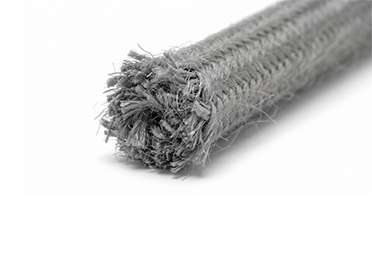
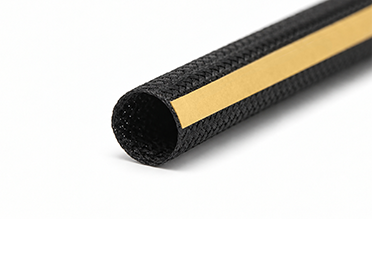
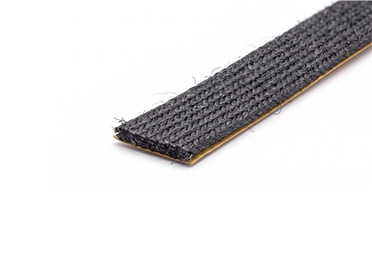
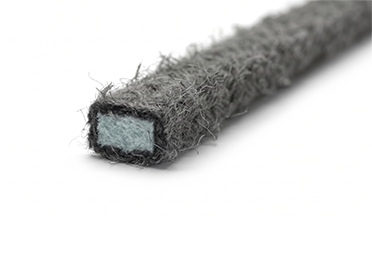
- A worn door seal that lets in stray air
- A poorly adjusted primary air intake
- A flue that's clogged or incorrectly sized
In most cases, a combination of two or three of these factors is behind the problem. That's why it's better to analyse how the stove works as a whole rather than looking at just one point.
Poor Draught, the Number One Culprit Behind Black Glass
A poor stove draught causing black glass is probably the most widespread cause. When the draught is insufficient, the combustion gases don't escape quickly enough. They stagnate in the firebox, cool down, and the particles they contain stick to the glass.
Draught depends on several things: the height of the flue, the outside temperature, the condition of the flue (clean or clogged), and also the atmospheric pressure. In mild weather or at the start of the season, the draught is often poorer than in the middle of winter. That's why the glass blackens more easily in these conditions.
To check whether the draught is to blame, watch how the flame behaves. If it's sluggish, low, and the smoke tends to drift back slightly towards the door when you open it, it's a fairly clear sign that the draught isn't sufficient.
A few tips for improving the draught:
- Have the flue swept at least once a year (it's also a legal requirement in France)
- Check that the flue is properly insulated along its entire length, especially if it runs outside
- Inspect the condition of the stove door seal, as a worn seal lets in cold air that disrupts the draught
- Open a window slightly in the room to make sure air can flow into the home
A door seal in poor condition is often overlooked, but it can have a real impact on the quality of the draught and therefore on the build-up on the glass. If the seal is flattened, hardened or damaged, it needs to be replaced.
Fuel Quality, an Often Underestimated Factor
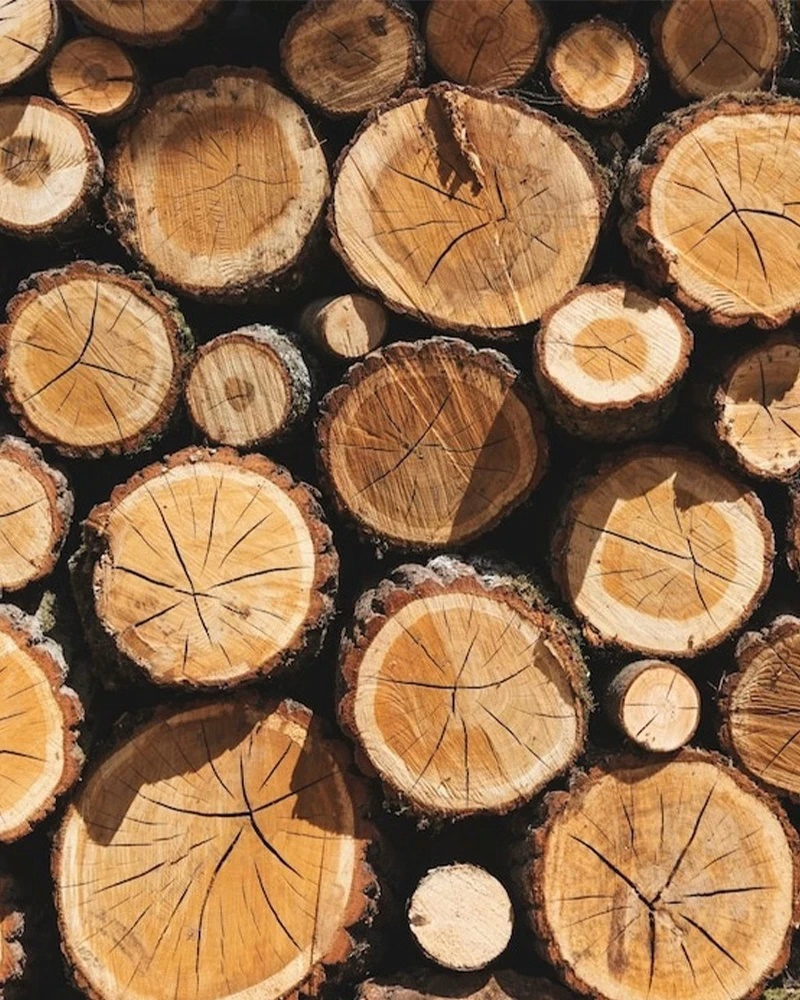
Whether you use logs or pellets, the quality of the fuel plays a huge role in the build-up on the glass. Wood that's too damp means incomplete combustion, plenty of smoke, and black glass in just a few hours.
The moisture content of the wood shouldn't exceed 20%. Below that, the wood burns well, combustion is clean, and the glass stays clear for much longer. Above that, it's the opposite: much of the heat produced is used to evaporate the water contained in the wood, which lowers the combustion temperature and generates a great deal of build-up.
For pellets, the standard to follow in France is the EN Plus A1 standard. A poor-quality pellet will have a higher ash content and will burn less well. As a result, the stove glass turns black more quickly and you have to clean it far more often.
A few good habits to adopt:
- Buy your wood at least a year in advance and store it in a dry, ventilated place
- Use a moisture meter to check the moisture content before fuelling the firebox
- Choose EN Plus A1 certified pellets, which guarantee a very low ash content
- Never burn treated, painted or damp wood, even in small quantities
Wood Stove Glass Cleaner, the Products That Really Work
Even with a well-adjusted stove and good fuel, the glass will eventually get dirty over time. That's perfectly normal. The important thing is knowing how to clean it effectively without damaging the glass.
The first instinct many people have is to use a standard household cleaner. That's a bad idea. These products aren't designed to withstand high temperatures, and some can even leave marks or damage the door seal.
For effective cleaning, there are wood stove glass cleaners specially formulated for this purpose. You'll find some in particular in the range of stove cleaning and maintenance products, which offers solutions suited to this type of use.
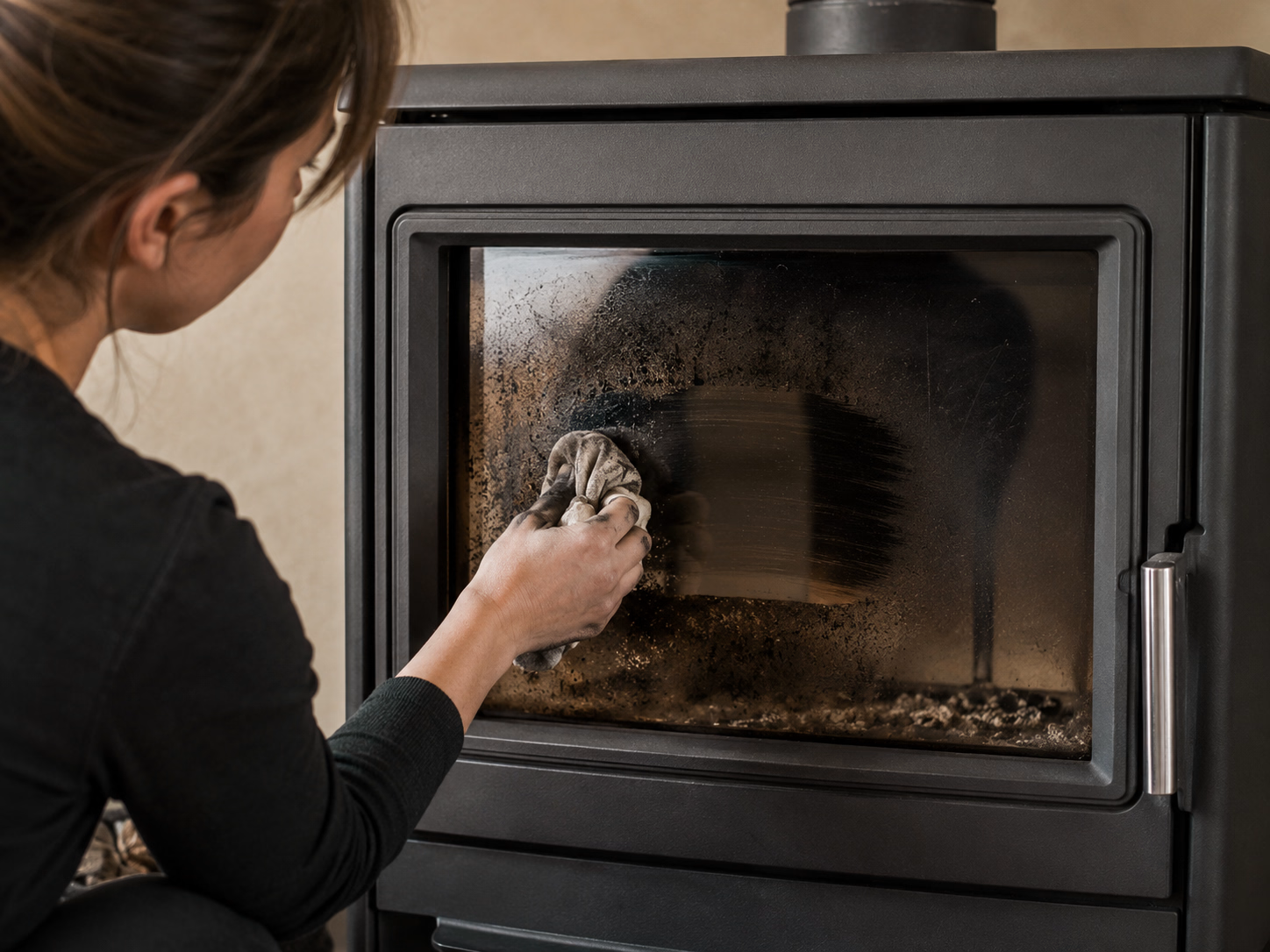
These products usually come in spray or cream form. They're applied to cold glass (never to hot glass), left to work for a few minutes, then wiped off with a soft cloth or newspaper. For really stubborn deposits, a second application may be necessary.
A tip that works well for small deposits: dip a damp cloth in the cold ashes from the firebox and gently rub the glass. The silica present in the ashes has a mildly abrasive effect that lifts the deposits without scratching the glass. It's an inexpensive method that has proven its worth, even if it's less convenient than specialised products for heavier build-up.
The Ideal Cleaning Frequency to Keep the Glass Clear
The stove glass cleaning frequency depends above all on how you use it. A stove lit every day in winter doesn't require the same maintenance as one used two or three times a week.
As a general rule, a quick clean every two weeks during the heating season is enough to prevent deposits from building up and becoming hard to remove. If you wait too long between cleans, the carbonised deposits become ingrained in the glass and require more effort and product to remove.
Here's a simple guide for adjusting the frequency:
- Daily use: clean every two weeks
- Moderate use (3 to 4 times a week): clean once a month
- Occasional use: clean at the end of each season or as soon as the glass becomes opaque
It's also advisable to give the stove a thorough clean at the end of the season, before putting it to rest for the summer. It's the right time to inspect the condition of the door seal, check the glass (for cracks or micro-chips), and have the flue swept.
If, despite regular maintenance, your glass still blackens very quickly, it's a sign there's an underlying problem to sort out: wood quality, insufficient draught, a faulty seal or air intake settings that need reviewing. A qualified technician can step in to diagnose the problem and save you from spending your time cleaning.
Taking care of your stove's glass also means taking care of the appliance as a whole. Clean glass means combustion you can monitor, a stove you maintain better, and a much longer lifespan for the entire installation.
Frequently Asked Questions About Wood Stove Glass
1. Why does my stove glass blacken so quickly ?
If the stove glass turns black very quickly, it's often due to wood that's too damp, insufficient draught or a worn door seal. Start by checking these three points before considering anything else.
2. Can you clean the stove glass while it's still hot ?
No. You should always wait until the stove has cooled down completely before applying a cleaner. On hot glass, the product dries too quickly, leaves marks, and can even damage the glass in some cases.
3. Which product should I use to clean the glass of a pellet stove ?
A cleaner specifically designed for stove glass is the most suitable option. Standard household products (such as window cleaner) aren't intended for this and can leave residues that burn during the next use.
4. Can black build-up on wood stove glass damage the glass ?
The deposits themselves don't damage the glass as long as it remains intact. However, if you let the deposits build up for too long, they become very difficult to remove without scraping, and it's the clumsy scraping that can scratch or weaken the glass.
5. How often should the stove door seal be replaced ?
On average, the seal should be checked every year and replaced as soon as it's flattened, hardened or no longer holds properly. A faulty seal is one of the least visible but most common causes of rapid build-up on the glass.
Loading...
check_circle
check_circle