-
Glass cut to measure
I select the model
- Glass panels by brand
-
Seals
How do I find my gaskets?





















I search for my window
or
I order
Smoke leaks from wood-burning stoves: are faulty seals really to blame ?
A persistent smell of smoke in the living room, a few wisps of grey smoke escaping around the firebox door... This sort of situation is both unpleasant and potentially dangerous. Before you panic or call out an emergency technician, ask yourself the right question: what if your gaskets are simply at the end of their life ?
How can you tell if your wood-burning stove’s seals are faulty ?
A worn wood-burning stove seal is one of the most common causes of smoke leaks indoors. Yet many homeowners miss this diagnosis, often because they are unaware of the warning signs.
A gasket in good condition ensures the firebox is airtight. When it deteriorates, smoke leaks occur, even at low flow rates. Here are the signs that should alert you :
- The gasket is flattened, crumbly or stiff when pressed with a finger.
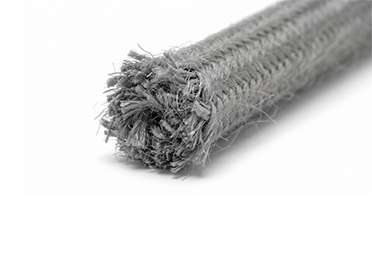
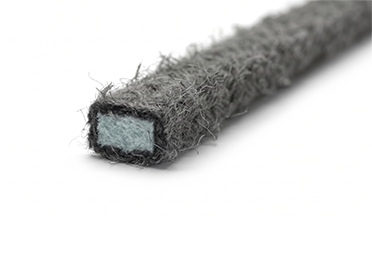
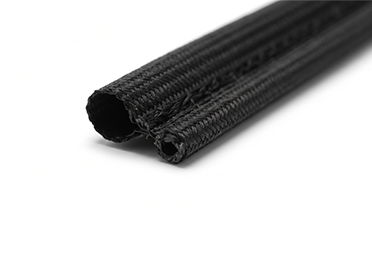
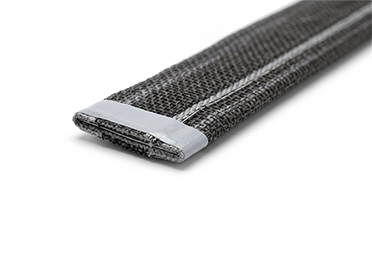
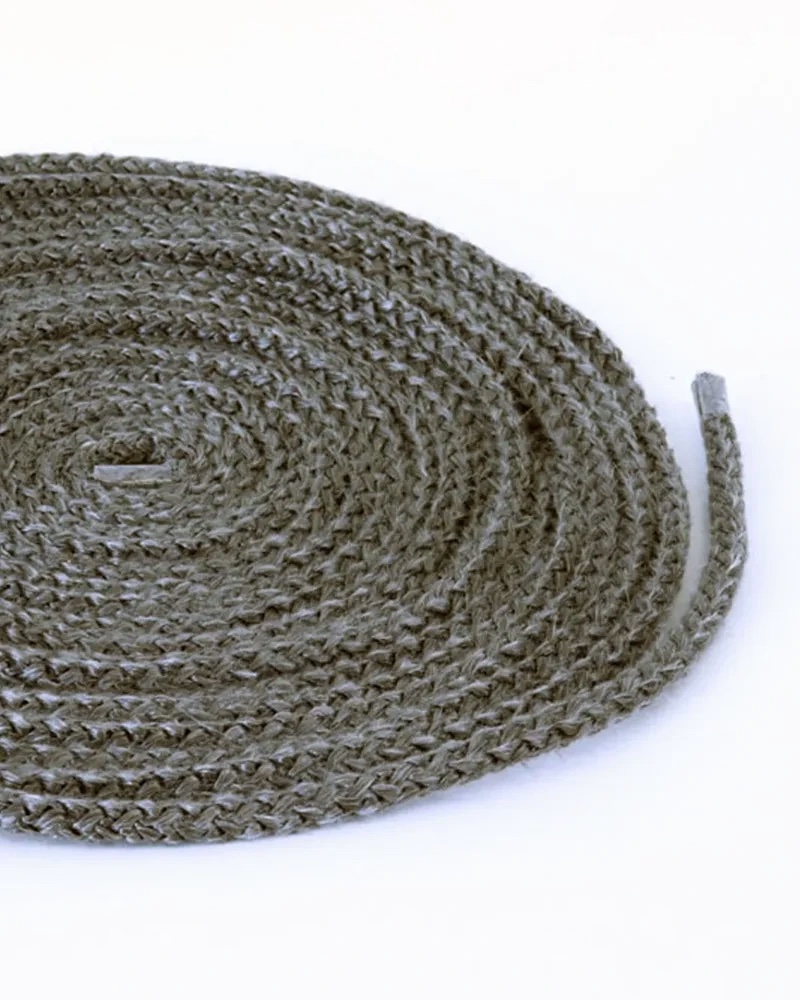
- The gasket cord (made of fibreglass or ceramic) has hollow areas, cuts or has shrunk.
- The stove door does not close properly or has visible gaps around the frame.
- You notice soot marks on the outside of the stove, around the door or the ash pans.
- A smell of smoke lingers in the room even though the fire has been out for several hours.
The so-called ‘paper test’ is simple and effective: slide a sheet of paper between the door and the fireplace frame, then close the door. If the paper slides out without resistance, this confirms that the stove door seal is faulty. It should normally be held in place with a slight tension.
The lifespan of a wood-burning stove gasket varies depending on the frequency of use, the type of fuel and the quality of the gasket itself. As a general rule, it is recommended that a gasket be inspected annually and replaced every 2 to 5 years. Heavy use during the winter can significantly accelerate this wear and tear.
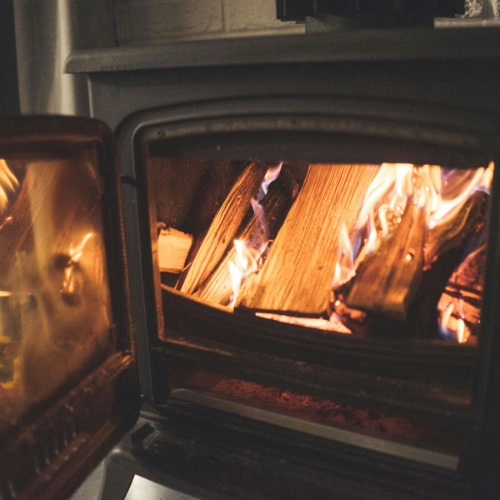
Smoke leaking from a wood-burning stove: seals or a draught problem ?
Not all smoke leaks are caused by the seals. There is another common cause: poor draught. Knowing how to tell the difference between the two allows you to take swift action in the right place.
Signs of a draught problem
- Smoke flows back into the room as soon as the fire is lit, even with seals in good condition.
- The problem only occurs in windy weather or during changes in atmospheric pressure.
- The fire struggles to catch or goes out frequently.
The flue has not been swept for over a year.
- Signs of a seal problem
- Smoke escapes locally, around the door or the ash pan.
- The problem is constant, regardless of the weather.
- The leak is visible as black marks around the edge of the door.
In some cases, both problems occur simultaneously. A partially blocked flue increases the pressure in the firebox, which exacerbates smoke leakage through a faulty stove seal. A comprehensive service is therefore recommended.
Remember that dangerous stove smoke is not just a matter of comfort: it contains carbon monoxide (CO), an odourless and potentially lethal gas. Never take repeated smoke leaks in your home lightly.
Replacing a wood-burning stove gasket: can you do it yourself ?
Good news : in the vast majority of cases, replacing a stove gasket yourself is entirely feasible, without the need for professional tools. It requires a little patience and a few precautions.
What you’ll need before you start
- A suitable replacement gasket (fibreglass or ceramic cord)
- Special high-temperature gasket adhesive
- A screwdriver, pliers and a scraper for removing the old adhesive
- Protective gloves
What size should you choose ?
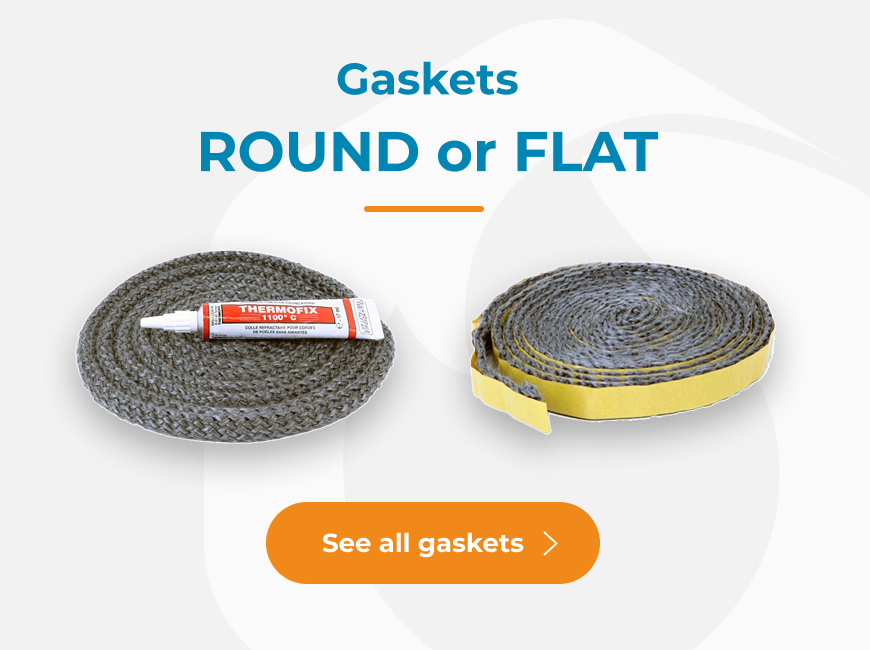
This is often where DIY enthusiasts get stuck. However, the question of what size wood-burning stove gasket to choose is simple to resolve: remove the old gasket and measure the width of the groove into which it fits in mm; its diameter will be the same as the measurement taken. Also measure the length required to go all the way round the door. Seals are generally sold in lengths of 1 to 3 metres, in diameters ranging from 4 to 20 mm depending on the stove model.
To ensure you choose the right model, consult your stove’s technical documentation or visit the Capska website directly; Capska specialises in wood-burning stove seals and offers a comprehensive selection and advice tailored to every configuration.
Steps for replacement
- Allow the stove to cool completely before carrying out any work.
- Open the door and remove the old seal by pulling it gently. Scrape away any adhesive residue from the groove.
- Clean the groove with a dry cloth to remove dust and soot.
- Apply a thin bead of high-temperature adhesive to the groove.
- Fit the new seal by pressing it firmly into place, starting at one corner.
- Close the door for 30 minutes to allow the sealant to set.
- Wait 24 hours before lighting the stove again.
To find out more and better understand why this procedure should be carried out regularly, the page dedicated to replacing glass and door seals will provide all the necessary explanations.
When should you call a chimney sweep or a technician for a smoke leak ?
Replacing a seal is a task that most people can do themselves. However, certain situations require the intervention of a professional. Do not delay in picking up the phone in the following cases :
- The smoke leak persists after replacing the seal.
- You suspect a problem with the flue (crack, blockage, poor connection).
- The stove is over 10 years old and has never undergone a technical inspection.
- You experience headaches, nausea or dizziness when using the stove – possible signs of CO poisoning.
- Significant soot deposits appear on the walls or ceiling around the stove.
For newer stoves or slow-burning models, some of the included gaskets are subject to manufacturer-specific requirements. In such cases, calling in a certified technician remains the safest option.
A smoke leak from a wood-burning stove should never be ignored. In many cases, a simple worn-out wood-burning stove gasket is enough to cause regular leaks that compromise your comfort and, above all, your safety. Inspecting your gaskets annually, testing their seal before winter and replacing them at the first signs of wear is a common-sense practice that every stove owner should adopt.
To find the right gasket for your stove whether for the door, ash pan or glass panel – browse the full range available at Capska.com, your go-to source for spare parts for wood-burning heating appliances.
Loading...
check_circle
check_circle