-
Glass cut to measure
I select the model
- Glass panels by brand
-
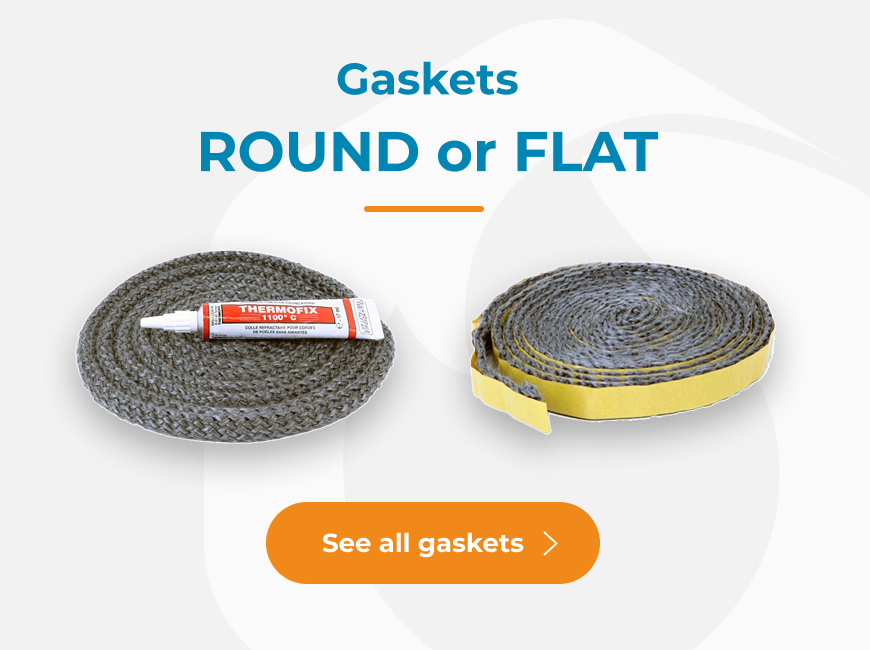
Seals
How do I find my gaskets?




















I search for my window
or
I order
Stove wall protection: when is it mandatory and how do you choose the right one ?
Installing a wood-burning or pellet stove in your home means opting for gentle, economical heating. But between safety regulations and insurers’ requirements, the question of stove wall protection inevitably arises. Mandatory in some cases, strongly recommended in others, it affects both the safety of your home and the validity of your installation. Here’s what you need to know.
What is a stove wall guard ?
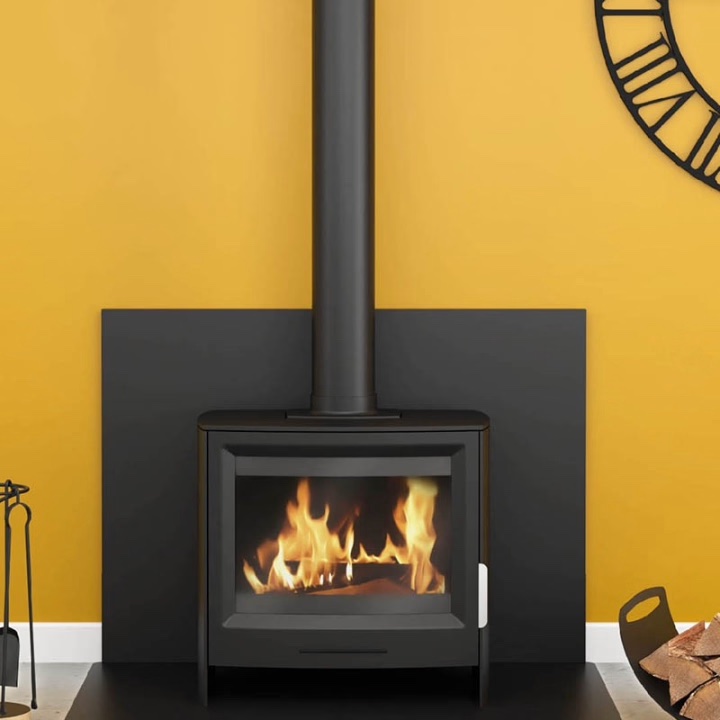
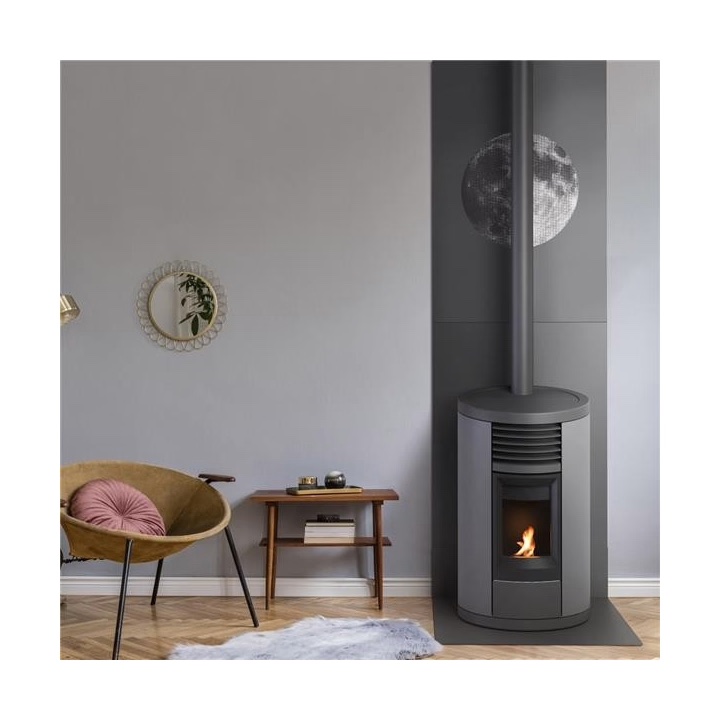
A stove wall guard is a heat shield placed between the heating appliance and the wall. Its purpose is to limit the rise in temperature of surrounding surfaces, whether the wall is made of plaster, wood, brick or covered with flammable render.
It usually takes the form of a wood-burning stove wall guard made of steel, stainless steel, natural stone (slate, schist) or even toughened glass. These materials absorb and dissipate the heat radiated by the appliance, thereby preventing the wall from overheating.
Beyond safety, the wall guard also serves as a decorative feature in its own right. Manufacturers now offer models with refined finishes, capable of blending in with all interior styles, from the most contemporary to the most rustic.
To discover a complete selection of models suitable for all types of installations, you can browse the range of wall guards available on Capska.
Is a stove wall guard compulsory ?
This is the question most homeowners ask before finalising their installation. The short answer: not always, but often essential.
Wall Protection for Wood Burning Stoves: UK Regulations
Installing a wood burning stove in England requires strict compliance with Approved Document J, the cornerstone of UK building regulations for combustion appliances. This document defines the minimum clearance distances that must be maintained between the stove and any combustible wall surface. These distances vary depending on the model and manufacturer's specifications.
When the required clearance cannot be achieved, a heat shield becomes mandatory. To be compliant, it must be made of galvanised steel at least 1.5mm thick, fixed with non-combustible fittings, and remain open at the top and bottom to allow airflow. It must also extend at least 300mm above the stove's upper surface.
All installations must be either notified to the local authority or carried out by a HETAS registered installer, who can self-certify the work. A carbon monoxide alarm is legally required in the same room as the appliance.
Quand faut-il installer une protection murale ?
When should wall protection be installed ?
There are several situations in which installing wall protection for a stove is not only recommended, but essential :
The stove is installed near a combustible wall
Wooden partitions, panelling, wallpaper or resin-based coatings are heat-sensitive materials. As soon as the stove is less than 50 cm from such a surface, wall protection is absolutely essential.
The regulatory distance cannot be maintained
In an older house or flat, space constraints often limit installation options. A correctly sized and installed wood-burning stove wall guard allows the safety distance required by the manufacturer to be reduced, whilst still complying with regulations.
The stove is a pellet stove and operates continuously
Unlike a log-burning stove, a pellet stove often operates for extended periods, or even continuously for several hours. This longer duration of heat exposure increases the risk of the surrounding walls overheating. A pellet stove wall guard addresses this specific need by absorbing constant and repeated heat radiation.
The rear wall is made of sensitive materials
Even when the required distances are maintained, certain materials thin plaster, aerated concrete, hollow bricks can deteriorate under the effect of prolonged heat. A wall guard preserves the integrity of the wall
Which Materials Should You Choose for a Stove Wall Protection ?
The choice of material depends on several factors: the output of the stove, the desired aesthetic, your budget, and the installation conditions. Below are the most common options :
|
Material |
Advantages |
Best suited for |
|
Steel / Stainless Steel |
High heat resistance, easy maintenance, contemporary look |
Wood or pellet stoves, modern interiors |
|
Natural Stone |
Excellent thermal mass, authentic character |
Rustic interiors, lodges, country homes |
|
Toughened Glass |
Clean, understated design, enhances the existing wall |
Designer interiors, open-plan spaces |
Whatever material you opt for, the protection must be certified and rated for the thermal output of your appliance. An undersized panel will not do its job properly and could leave your installation non-compliant in the eyes of your insurers.
To help you select all the accessories for your stove, the complete guide to choosing stove accessories offered by Capska is a particularly handy resource.
A Few Things to Bear in Mind During Installation
- Leave a ventilation gap between the panel and the wall typically 3 to 5 cm to allow air to circulate and prevent heat build-up.
- Check that the fixings are suitable for your wall type (solid, cavity, or concrete).
- Make sure the protection covers a sufficient surface area relative to the radiant heat zone of the appliance.
- Keep the instruction manual and technical data sheets safe, in case of an inspection or insurance claim.
Key Takeaway
A stove wall protection is far more than a decorative finishing touch. In many installation scenarios restricted space, combustible walls, pellet stoves running continuously it becomes a regulatory requirement and an insurance prerequisite. Choosing the right material, observing the correct safety clearances, and fitting the panel properly are all essential to ensuring both the safety of the occupants and the long-term reliability of the installation.
To find the right protection for your setup, explore the full range of solutions offered by Capska, specialists in stove and wood heating accessories.
Loading...
check_circle
check_circle