-
Glass cut to measure
I select the model
- Glass panels by brand
-
Seals
How do I find my gaskets?


















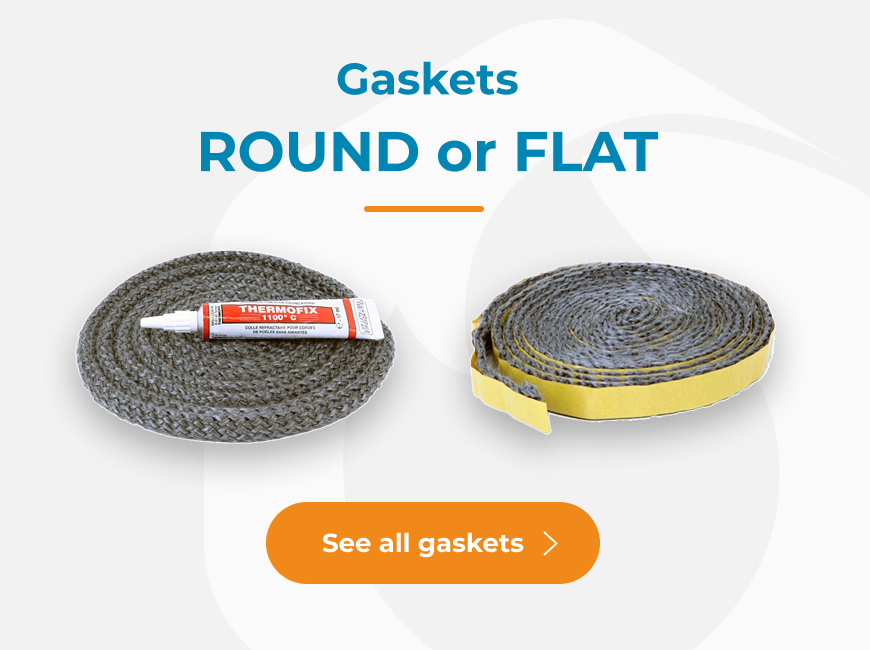

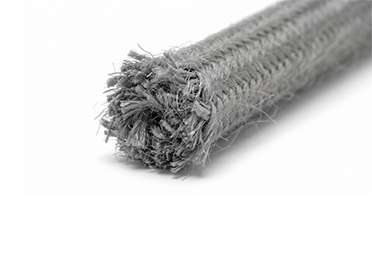
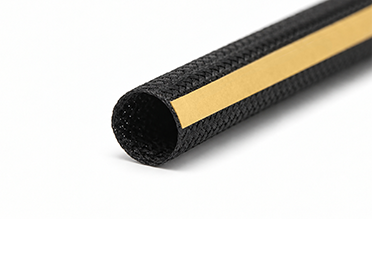
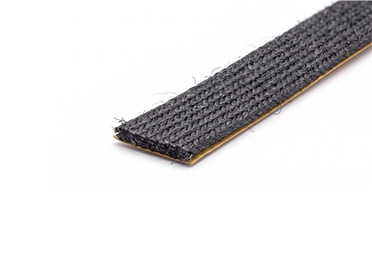

I search for my window
or
I order
Floor plate for wood stove: glass or metal, which to choose?
You have just acquired a wood stove or pellet stove and you are looking to protect your floor? The floor plate for a wood stove is an essential accessory, both for the safety and the aesthetics of your interior. But faced with glass and metal models, it can be hard to know which one truly suits your situation. Here is a complete overview.
What is a floor plate for a wood stove ?
A floor plate for a wood stove is a protective slab placed under and around a wood-burning, pellet or gas heating appliance. Its role is twofold:
- Protect the floor covering against falling embers, heat radiation and mechanical impacts.
- Provide a neat finish to the installation, in keeping with the interior décor.
In many countries, regulations impose minimum safety distances around heating appliances. The plate must extend at least 30 cm on the sides and 50 cm at the front (opening side). These dimensions vary depending on the stove manufacturer, so be sure to consult your appliance's manual before purchasing.
Depending on the layout of your room and your budget, two main material families stand out: glass and metal (stainless steel or steel). Each has its own distinct advantages.
Glass floor plate for wood stove: advantages and disadvantages
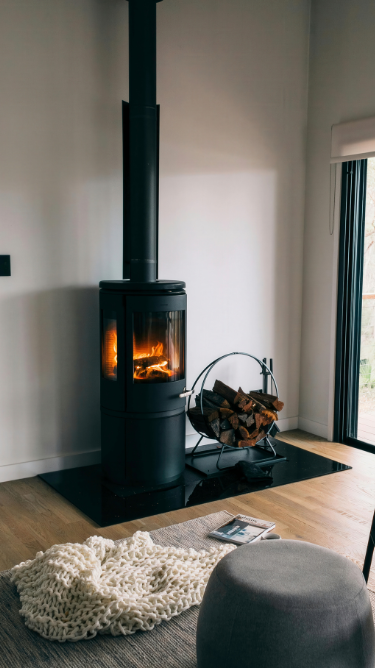
The tempered glass floor plate is winning over more and more homeowners who wish to preserve the visibility of their floor covering while protecting it effectively.
The strengths of glass
- Transparency: tempered glass allows the floor below to show through, giving a sense of space and lightness, particularly appreciated over beautiful parquet or tiles.
- Contemporary aesthetic: lacquered tempered glass (black, white or coloured) brings a modern and refined touch to the installation.
- Easy maintenance: a simple damp cloth is enough to clean marks and ash.
- Thermal resistance: quality tempered glass withstands high temperatures without cracking.
- Custom shapes possible: shapes can be cut to suit any configuration.
The limitations of glass
- Vulnerable to point impacts (a falling log can cause immediate breakage).
- Slippery if the surface has not been given an anti-slip treatment.
- Generally more expensive than galvanised steel.
Discover our selection of lacquered and tempered glass floor plates to find the model that suits your interior.
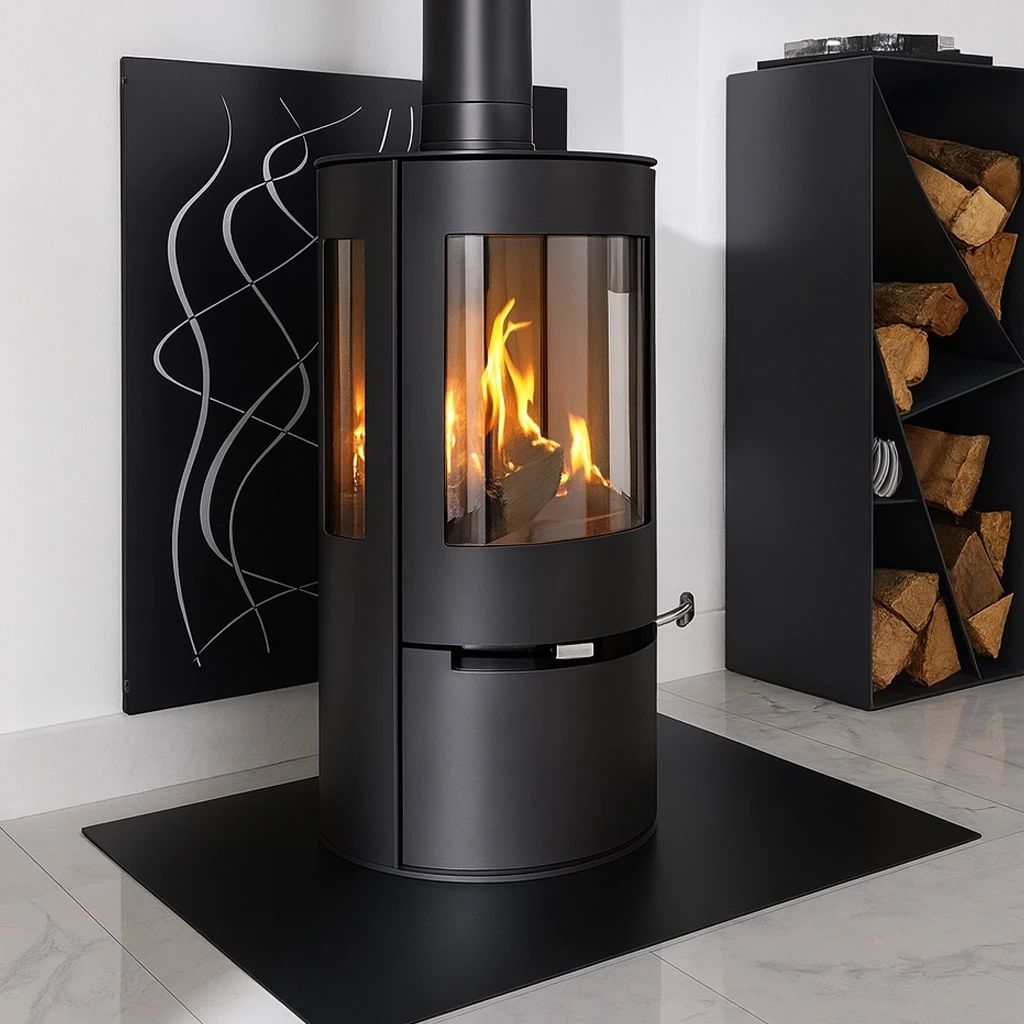
Metal floor plate for wood stove: advantages and disadvantages
Metal mainly covers two materials used for the floor protection plate for a wood stove: stainless steel and steel. Both options offer solid performance, with notable differences in style and durability.
The stainless steel floor plate
Stainless steel is renowned for its corrosion resistance and longevity. It is perfectly suited to industrial, minimalist or contemporary interiors.
- High resistance to impacts and temperatures.
- Polished or brushed finish, highly decorative.
- Simple maintenance, no risk of rust.
- Particularly long lifespan.
Browse our range of stainless steel floor plates available in several dimensions.
The steel floor plate
Steel (galvanised or painted) is the classic, economical choice par excellence. Robust and reliable, it suits the vast majority of installations.
- Excellent value for money.
- High resistance to mechanical impacts.
- Available in many formats and finishes.
- Suitable for all stove outputs.
Consult our selection of steel floor plates for affordable and high-performing models.
Comparison table: glass, stainless steel or steel ?
|
Criterion |
Glass (tempered / lacquered) |
Metal (stainless steel / steel) |
|
Aesthetics |
Modern, elegant, transparent or coloured |
Industrial, understated, brushed or matt |
|
Impact resistance |
Medium (tempered glass) |
High |
|
Thermal resistance |
Good (certified tempered glass) |
Excellent |
|
Maintenance |
Very easy |
Easy |
|
Average price |
Medium to high |
Affordable to medium |
|
Custom sizes |
Yes |
Yes |
|
Recommended style |
Contemporary, Scandinavian |
Industrial, rustic, versatile |
How to choose the right floor plate for your wood stove ?
The choice between glass and metal depends on several parameters specific to your situation. Here are the questions to ask yourself before placing an order.
1. What is your floor covering ?
On solid parquet or old wooden floorboards, transparent tempered glass is ideal: it protects without masking the beauty of the wood. On tiles or polished concrete, steel or stainless steel harmonise perfectly.
Be careful, however: tempered glass should not be used on an uneven floor, as the weight of the appliance will cause immediate breakage by creating a cantilevering effect.
2. What is the output of your stove ?
For a high-output stove (above 10 kW), steel or stainless steel offer a better thermal safety margin. For a low-radiation living room stove, certified tempered glass is more than sufficient.
3. Do you have children or pets ?
If so, opt for steel or stainless steel for their impact resistance. A badly placed log or a thrown toy will not risk damaging the plate.
4. What size does your plate need to be ?
Standard formats (80 × 100 cm, 100 × 120 cm...) suit the majority of installations. But if your space is atypical - an alcove, a corner, a bespoke configuration - consider a custom-cut floor plate, sized to the exact dimensions of your installation.
5. What is your budget ?
Steel remains the most affordable solution. Lacquered glass and brushed stainless steel represent a slightly larger investment, but offer a visually superior result.
Still unsure? Browse our full catalogue of glass plates or go directly for a custom floor plate tailored to your installation.
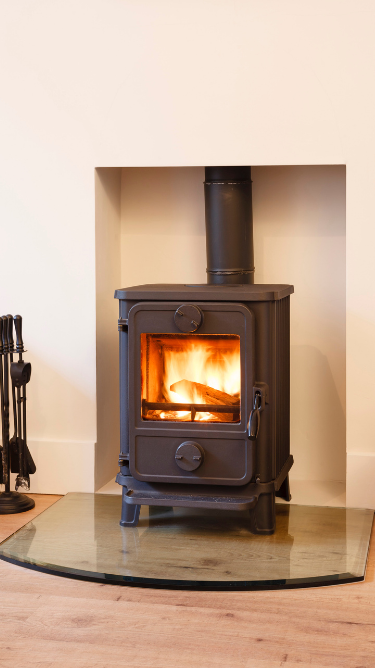
FAQ - Floor plate for wood stove and pellet stove
1. La plaque de sol en inox chauffe-t-elle à la surface ?
L'inox conduit la chaleur, mais dans le cas d'une utilisation normale (à distance réglementaire du cœur du foyer), la surface reste à une température tout à fait acceptable. Elle ne représente donc aucun danger, sinon elle ne serait pas proposée par les fabricants de poêles.
2. What glass thickness is needed for a floor plate under a wood stove ?
As a general rule, 6 mm tempered glass is recommended for wood stoves or pellet stoves not exceeding 250-300 kg. More demanding configurations (high-output stove, heavily used area or over 300 kg) may require 8 mm tempered glass.
3. What glass thickness is needed for a floor plate under a wood stove ?
As a general rule, 6 mm tempered glass is recommended for wood stoves or pellet stoves not exceeding 250-300 kg. More demanding configurations (high-output stove, heavily used area or over 300 kg) may require 8 mm tempered glass.
4. Is a glass floor plate dangerous if it breaks ?
Tempered glass, unlike ordinary glass, shatters into small, non-sharp pieces when it breaks. The risk of injury is therefore limited, but it should be replaced immediately.
5. Can a metal floor plate be placed on parquet ?
Yes, provided the plate is fitted with protective pads or felt under the edges to avoid scratching or damaging the parquet. A tempered glass plate remains better suited to this type of floor, provided the surface is perfectly flat.
Loading...
check_circle
check_circle