-
Glass cut to measure
I select the model
- Glass panels by brand
-
Seals
How do I find my gaskets?


















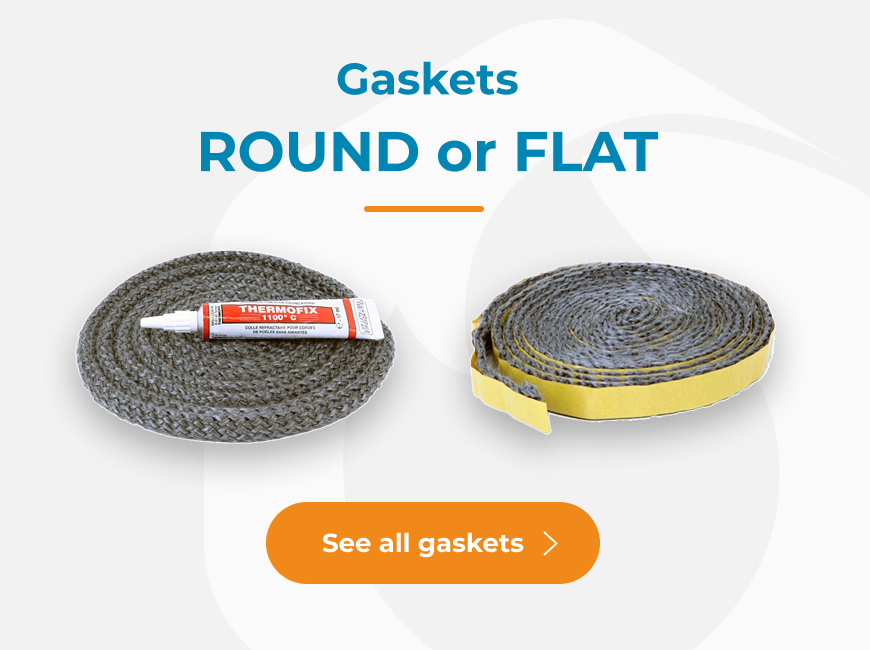

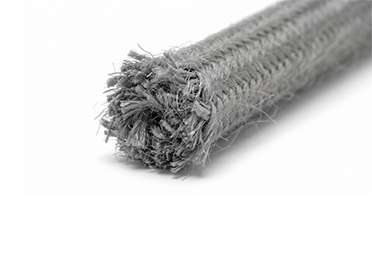
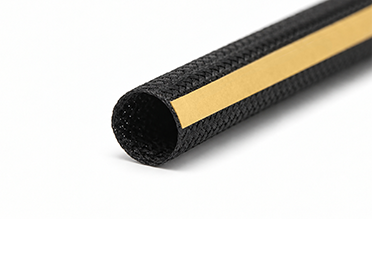
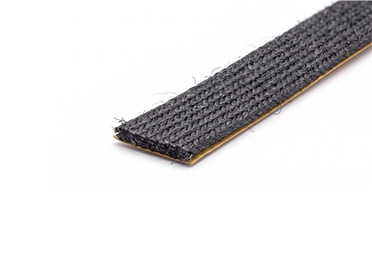

I search for my window
or
I order

Broken fireplace insert glass: what to do first?
A broken fireplace insert glass can happen without warning, often at the worst moment. A hairline crack after an overly vigorous fire, a sudden shattering after an impact... In all cases, a quick response is essential. Here is how to identify the cause, make your installation safe and get your insert back up and running in the best conditions.
Why did my insert glass break?
First of all, you need to understand what caused the breakage. This will help you avoid making the same mistake after replacement.
Metal expansion: the number one enemy of fireplace insert glass
Metal expansion is by far the most common cause. It occurs as the firebox temperature rises, significantly reducing the clearance between the glass and the retaining fixtures. This clearance must be taken into account when installing the glass and should be checked regularly throughout the heating season, as soot deposits can gradually fill this gap.
Refractory glass, although designed to withstand large temperature changes, cannot bear the pressure exerted by the metal. The result is often a cracked insert glass starting from the fixing screws.
To avoid this type of breakage in the future:
- Make sure your glass can move within the door frame
- Regularly remove soot deposits that may have accumulated in this clearance gap
- Check the condition of your glass seal and replace it if it has become too stiff
- Allow the firebox to cool down completely before any intervention
Other possible causes
A direct mechanical impact (a badly placed log, an abrupt door closure) can also cause a broken fireplace insert glass. Similarly, an older glass, weakened by years of heat/cold cycles, may eventually give way even without any particular event. Finally, a worn or missing glass seal can increase the mechanical stress on the glazing and speed up its deterioration. Not to mention the possible long-term deformation of the door, which can lead to repeated breakage.
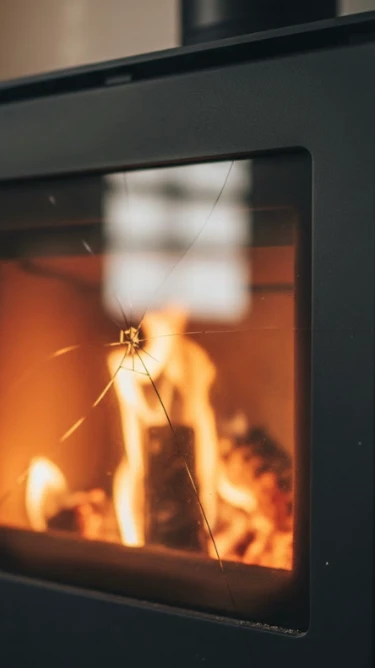
Making the installation safe and assessing the damage before acting
A broken fireplace insert glass requires a few immediate steps before moving on to the replacement phase.
Stop using the firebox immediately
A cracked or broken glass no longer protects the firebox. Combustion gases, sparks and fumes can escape into the room. Do not use the insert until the glass has been replaced. This is a matter of safety, not comfort.
Assessing the extent of the damage
Depending on the state of the glass, there are two scenarios:
- Cracked insert glass with no shards: the glass is still in place. It must nevertheless be replaced quickly. Aluminium adhesive tape (thermal insulation) can be applied along the entire crack on the outside while waiting for replacement.
- Shattered or broken glass: do not touch the shards with bare hands. Use thick gloves and carefully collect the fragments before cleaning the firebox.
Also take this opportunity to inspect the glass seals. If the seal is stiff, charred or crumbly, it will need to be replaced at the same time as the glass. A seal in poor condition is often the cause of progressive weakening of the glazing. To find out more about this, see why you should replace your glass and door seals.
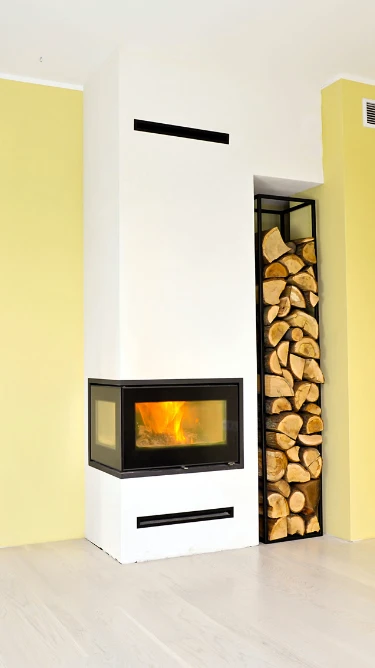
How to measure and order the right glass?
This is often where homeowners lose time. Ordering the wrong reference or incorrect dimensions means having to start the process over and delays getting the firebox back in service.
Taking the right measurements
Use a tape measure and note down:
- The height of the glass (in mm)
- The width of the glass (in mm)
- The thickness (generally 4 mm, sometimes 3 or 5 mm, for insert glass)
Measure the glass itself, not the frame or the seal. If the glass is too damaged to be measured, refer to your insert's manual or the appliance's rating plate.
Identifying the brand and model of the insert
Many manufacturers offer glass in specific formats. Knowing the brand and model of your insert allows you to find the right glass directly. Several references are available per manufacturer in the glass selection by brand, which greatly simplifies identification.
Opting for custom-cut glass if necessary
If your insert is an older model, no longer in the catalogue, or custom-made, standard sizes will not match. In this case, ordering custom-cut glass for your insert is the only reliable option. This type of service allows you to obtain glass cut precisely to the required dimensions.
Replace the glass yourself or call a professional?
This question naturally arises once the replacement glass is in hand. The answer depends on your technical ability and the type of insert.
What self-replacement requires
Replacing a fireplace insert glass yourself is perfectly feasible for most common models. Here are the general steps:
- Let the insert cool down completely
- Remove the firebox door (depending on the model, it unclips or unscrews)
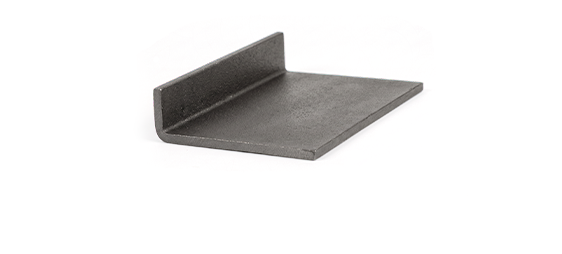
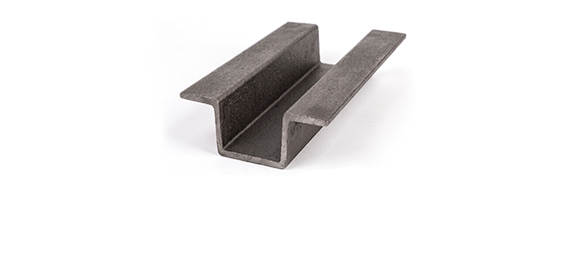
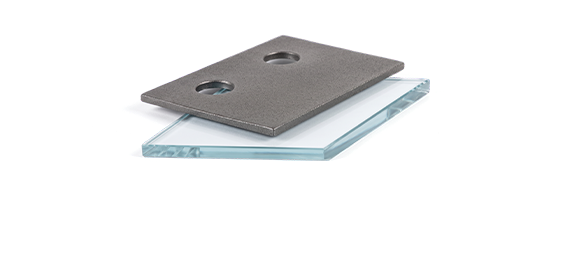
- Remove the retaining clips or the glass retaining bracket
- Remove the old seal and replace it with a new one
- Place the new glass, correctly seated in the housing
- Reposition the fixtures without tightening - leaving clearance is essential
- Refit the door and carry out a first gentle fire
Warning: never fit a glass without a seal (unless there was none originally), and never force the fixing screws. The glass may be in contact with the metal but must never be put under pressure by it.
When to call a technician?
Certain high-end, built-in inserts or those with complex door mechanisms require specialist intervention. Similarly, if you notice frame deformation, signs of abnormal overheating or draught problems after the breakage, it is better to have the appliance inspected as a whole. A professional can also guarantee the airtightness of the door/glass/seal assembly.
Frequently asked questions about broken fireplace insert glass
1. Can I continue to use my insert with a cracked glass?
Ideally not, as a cracked glass no longer acts as a barrier between the firebox and the room. Fumes, combustion gases and sparks can escape freely. It is preferable to stop all use until the glass has been completely replaced. You can however use aluminium adhesive tape, which will ensure the airtightness and thermal insulation of your glass while awaiting replacement, but never leave your appliance unsupervised in case fumes were to escape again.
2. What is the lifespan of a fireplace insert glass?
A good quality refractory glass can last several years, even a decade, provided it is used correctly. Repeated thermal shocks, overly intense fires or a faulty seal will considerably reduce its lifespan.
3. How do I know if my insert glass is made of glass-ceramic?
Except in a few very old cases (pyrex pane glass), all appliances are fitted with glass-ceramic capable of withstanding temperatures above 700 °C. No other glass can replace your insert glass.
4. Is it mandatory to replace the seal at the same time as the glass?
It is strongly recommended. A worn, flattened or charred seal no longer guarantees airtightness or the correct retention of the glass. Replacing it at the same time avoids having to dismantle the door again shortly afterwards and extends the lifespan of the new glass.
5. Is it possible to glue a cracked insert glass while waiting for replacement?
No. Refractory adhesives and sealants will only damage the glass further due to a different thermal expansion coefficient. Any attempt at temporary repair is ineffective and dangerous. The only solution is to replace the glass.
6. What does replacing a fireplace insert glass cost?
The price varies depending on the dimensions, shape and whether the glass is in stock or needs to be ordered from a manufacturer. A custom piece for an atypical model, a non-flat glass (curved or folded) or a screen-printed glass (black frame painted on the glass) will inevitably cost more than a simple flat glass. The cost of the replacement seal and, if applicable, labour costs if you call a technician must also be factored in.
Loading...
check_circle
check_circle