





















€63.95


The maintenance of a pellet or wood stove directly conditions the performance, safety and lifespan of your heating appliance. In England, regulations impose precise obligations on homeowners, but beyond the legal texts, regular maintenance guarantees you substantial savings and optimal thermal comfort. Find out when and how to service your equipment.
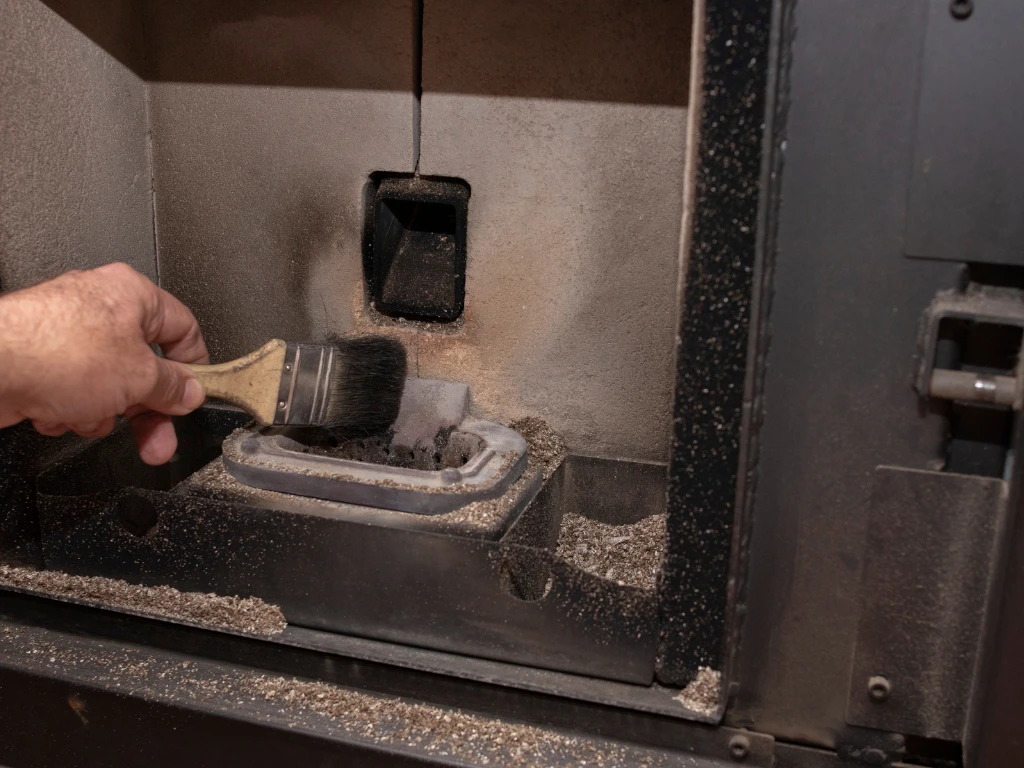
In England, the maintenance of wood-burning and pellet stoves is governed by a combination of national legislation and local regulations designed to ensure both safety and environmental compliance.
While there is no single law that prescribes an exact national sweeping frequency, homeowners are strongly advised and in many cases contractually required by their insurers to have their chimney swept at least twice a year by a certified professional. After each visit, the chimney sweep must issue a certificate of compliance, which serves as legal proof that the appliance has been properly maintained and which insurers will typically request in the event of a claim.
One of the few explicitly legal requirements relates to carbon monoxide safety. Any homeowner who installs a wood-burning or pellet stove is legally required to fit an audible carbon monoxide alarm in the same room as the appliance. Failure to comply with this rule can have serious legal and safety consequences.
Beyond maintenance, stove owners must also comply with the Clean Air Act. In designated Smoke Control Areas, only authorised fuels may be burned, unless the appliance is officially exempt by DEFRA. Homeowners who emit excessive smoke from their chimney can face fines of up to £300, rising to £1,000 for burning unauthorised fuel in a non-exempt appliance.
Finally, since January 2022, all new stoves sold in England must comply with EcoDesign 2022 standards, which impose strict carbon emission limits to improve air quality across the country.
The frequency of interventions on a log-burning stove varies according to intensity of use. An appliance used daily for six months requires more sustained attention than an occasional supplementary heater.
Each week, take a few minutes to keep your wood stove in good working order :
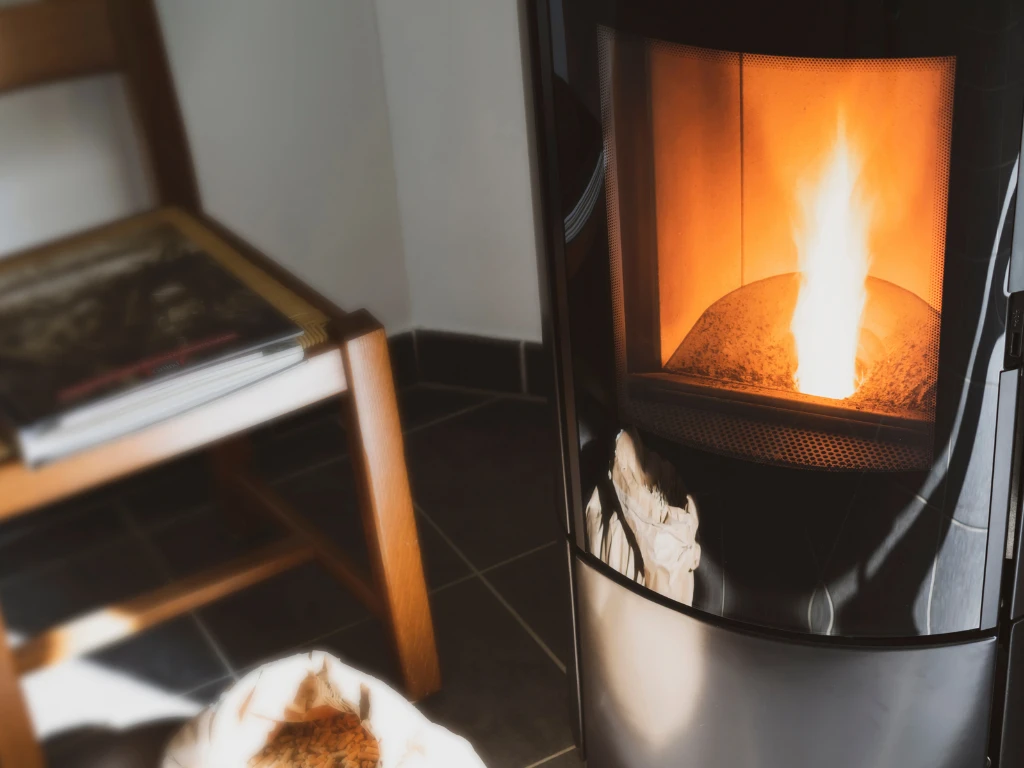
Before relighting your stove after the summer period, carry out a thorough inspection. This preventive check allows you to anticipate problems and approach the cold season with peace of mind.
|
Component to check |
Control point |
Action if problem found |
|
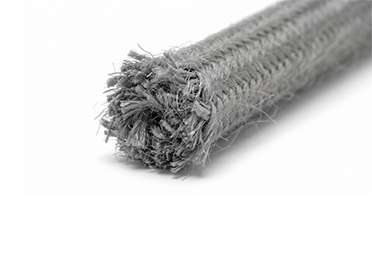
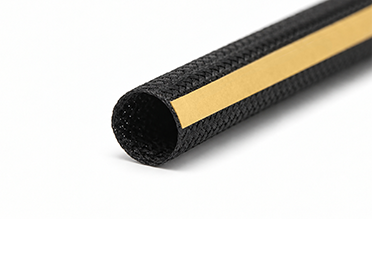
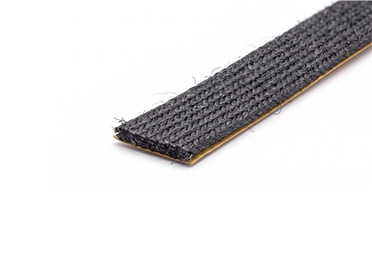
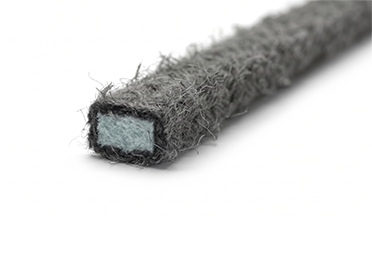
Door gaskets |
Flexibility and adhesion |
Replace if hardened or crumbling |
|
Glass |
Cracks, chips |
Immediate replacement if damaged |
|
Refractory bricks |
General condition, deep cracks |
Replace if deteriorated |
|
Flue pipe |
Presence of soot, obstruction |
Professional sweeping |
|
Air intake |
Free circulation |
Unblocking and cleaning |
Pellet stoves, more automated than their log-burning counterparts, require more specific maintenance. The presence of electronic and mechanical components demands particular rigour in monitoring.
To maintain the performance of your appliance, certain actions must become reflexes :
A clogged burn pot can reduce your stove's efficiency by 15 to 20% and significantly increase your pellet consumption.
Every day or every two days :
Every week :
Once a month during the heating season, set aside an hour for a thorough clean. This intervention extends the lifespan of the components and maintains optimal efficiency.
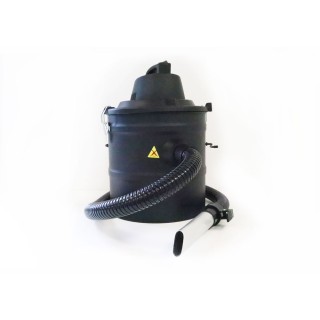
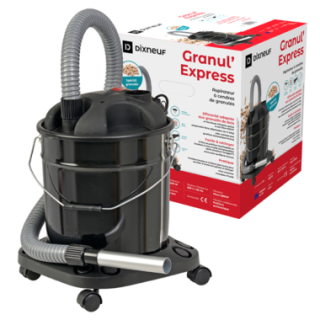
For these operations, equip yourself with a suitable cleaning kit comprising an ash vacuum, specific brushes and non-corrosive degreasing products.
The annual professional maintenance of the pellet stove carried out by a certified technician remains essential. This technician has the skills and equipment needed to work on the electronic and mechanical parts.
This technical visit includes :
Beyond scheduled services, certain symptoms should put you on alert and justify a rapid intervention, or even a temporary shutdown of the appliance.
With both wood and pellet stoves, stay alert to the following signals :
Pellet stove technology, although reliable, can experience certain failures. The most common faults concern :
|
Type of fault |
Probable cause |
Average component lifespan |
|
Ignition failure |
Faulty igniter |
2 to 4 seasons |
|
Bearing noise |
Worn extraction fan |
5 to 8 years |
|
Pellets not fed |
Faulty auger motor |
8 to 12 years |
|
Motherboard error |
Burnt-out electronic component |
10 to 15 years |
Beyond technical interventions, certain usage habits directly influence the lifespan of your stove and reduce the frequency of services.
The quality of the wood or pellets has a strong impact on the fouling and wear of your appliance. For log-burning stoves, favour dry wood (less than 20% moisture) and hardwoods such as oak or beech.
To make pellet stove maintenance easier, opt for certified pellets :
These premium pellets generate less ash and clinker, thus reducing cleaning requirements.
A few simple actions preserve your equipment and extend the intervals between maintenance interventions :
To make sure you forget nothing, here is a summary table of the interventions to be scheduled according to appliance type :
|
Frequency |
Wood stove |
Pellet stove |
|
Daily |
Glass cleaning |
Emptying the burn pot |
|
Weekly |
Emptying ash pan |
Glass cleaning, vacuuming ash |
|
Monthly |
Checking gaskets and bricks |
Cleaning hopper and fan |
|
Annual (professional) |
Chimney sweep + visual inspection |
Chimney sweep + full service |
|
Every 2-3 years |
gasket replacement |
Replacing igniter, gaskets, wear parts |
Regularity in maintaining your pellet or wood stove ensures you years of efficient and economical heating. Between the daily actions you carry out yourself and the annual visit from a professional, every intervention counts. Do not wait for a breakdown to occur in the middle of winter: schedule your next service now and enjoy to the full the gentle warmth of your appliance.
check_circle
check_circle