-
Glass cut to measure
I select the model
- Glass panels by brand
-
Seals
How do I find my gaskets?






















I search for my window
or
I order

How to clean your stove or insert glass without damaging it?
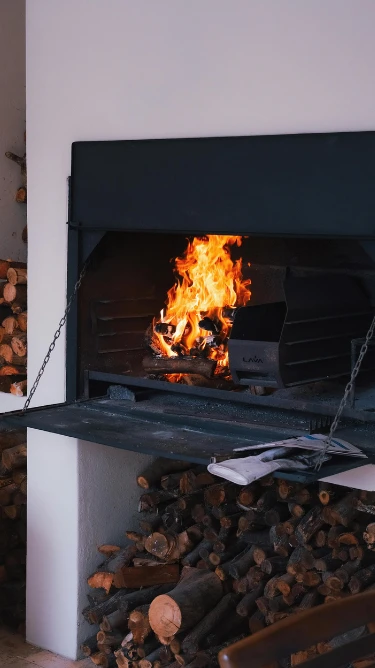
Cleaning the glass of an insert or stove is a regular task that every wood-burning appliance owner knows well. Between soot deposits, combustion residue and stubborn marks, your glass can quickly lose its clarity. Discover tried-and-tested techniques and professional tips to restore crystal-clear glass without risking damage.
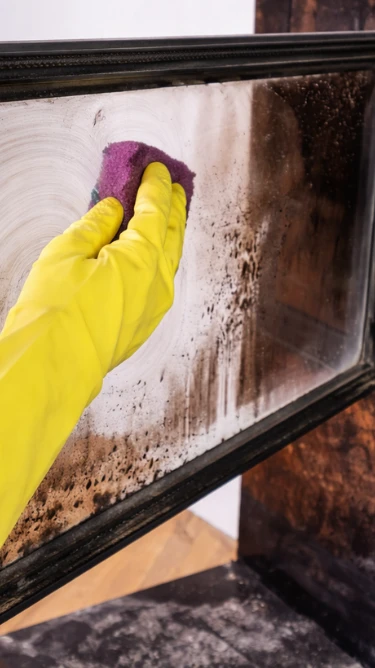
Why does the glass of your stove or insert get dirty?
The quality of the wood used
The type of fuel directly affects how quickly your glass gets dirty:
- Wet wood (moisture content above 20%): produces more smoke and tarry residue
- Resinous wood (pine, fir, spruce): releases sticky substances that adhere to the glass
- Well-dried hardwood (oak, beech, ash): burns more cleanly with fewer deposits
Wood with a moisture content below 15-18% ensures optimal combustion and significantly limits the build-up of soot on your glass.
Draught and ventilation issues
Insufficient draught or poor air circulation causes incomplete combustion. Some appliances have an “airwash” system that creates a flow of hot air along the glass to prevent deposits. If this system is not working properly, the build-up of dirt accelerates.
Combustion temperature
A temperature that is too low in the firebox encourages combustion gases to condense on the cold glass. A strong, well-fed fire keeps the glass hot and limits deposits.
Natural methods for cleaning insert glass
Several natural techniques allow you to clean insert glass without harsh chemicals. These methods are environmentally friendly and preserve the integrity of your glass.
The ash technique: the free cleaner
Wood ash is a gentle, natural abrasive, ideal for removing soot :
Step 1 : Wait until the glass is lukewarm (never hot or cold)
Step 2 : Dampen a sheet of newspaper or a cloth
Step 3 : Dip it in the fine, cold ash from your firebox
Step 4 : Rub the glass in circular motions
Step 5 : Repeat on stubborn areas
Step 6 : Wipe with a clean, dry cloth
Wood ash contains potash crystals with natural cleaning properties. This age-old technique remains one of the most effective and economical ways to clean insert glass on a daily basis.
White vinegar: a versatile degreaser
Diluted white vinegar is an excellent degreaser for lightly soiled glass :
- Mix 50% white vinegar with 50% lukewarm water
- Spray onto cold or lukewarm glass
- Leave to act for 5 to 10 minutes
- Rub with a microfibre cloth
- Rinse with clean water and dry
Bicarbonate of soda: for stubborn stains
For more resistant deposits, bicarbonate of soda offers slightly greater abrasive power :
- Make a paste with 3 parts bicarbonate of soda to 1 part water
- Apply to dirty areas
- Leave to act for 15 to 20 minutes
- Gently scrub with a non-abrasive sponge
- Rinse thoroughly
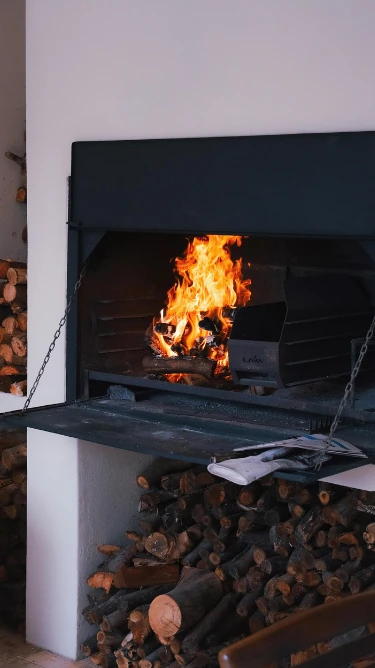
Specialist products for cleaning insert glass
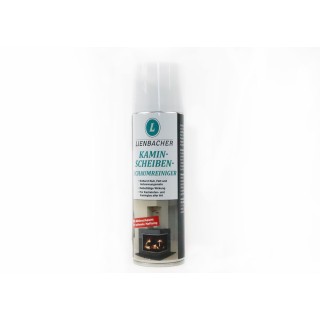
When natural methods are not enough, specific products can be used to clean heavily soiled insert glass. At Capska, you will find a complete range of maintenance products suitable for wood-burning heating appliances.
Glass cleaners for stoves
These products are specially formulated to dissolve combustion residue :
|
Product type |
Advantages |
Use |
|
Dry wipper |
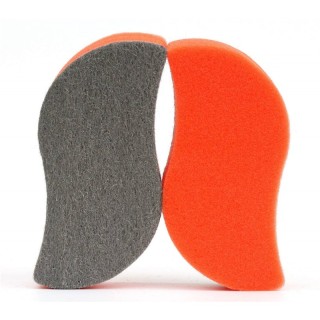
Quick and scratch-free, this product has been developed by the glass manufacturer Schott |
Daily cleaning |
|
Foam spray |
Adheres to vertical surfaces, reduced contact time |
Moderately soiled glass |
|
Concentrated gel |
Long-lasting action, highly effective on old deposits |
Severe soiling |
|
Cleaning cream |
Gentle mechanical action, scratch-free |
Regular maintenance |
|
Pre-soaked wipes |
Practical, perfect dosage |
Quick cleaning |
For effective and safe cleaning with commercial products :
Step 1 : Make sure the glass is cold or lukewarm
Step 2 : Ventilate the room to avoid inhaling fumes
Step 3 : Apply the product according to the manufacturer's instructions
Step 4 : Respect the indicated contact time
Step 5 : Scrub with the recommended accessories
Step 6 : Rinse several times to remove all chemical residue
Product residue could release toxic fumes the next time you use your appliance. Thorough rinsing is therefore an essential step. One final precaution: do not let liquid cleaners run onto the gaskets, as this risks damaging them over time.

Mistakes to avoid at all costs
Some practices can irreparably damage your glass during cleaning. Here are the pitfalls to avoid when cleaning insert glass without any unpleasant surprises.
Tools and products to ban
- Abrasive sponges (green scrubbing side): permanently scratch the glass
- Wire wool: creates micro-scratches, opt for steel wool 000 instead
- Metal scrapers: risk of deep scratches
- Ammonia-based products: can tarnish certain glass-ceramic panes
- Standard oven strippers: too aggressive for gaskets and frames
Temperature conditions
Cleaning glass at the wrong moment can cause thermal shock :
- Burning hot glass + cold water = risk of cracking or shattering
- Very cold glass + hot water = dangerous thermal stress
- Ideal temperature: lukewarm glass (30 to 40°C), approximately 1 to 2 hours after switching off
Glass-ceramic panes withstand extreme temperatures during use, but sudden changes remain their weak point. Patience and caution are the keys to ensuring their longevity.
Daily glass maintenance to limit soiling
Regular maintenance makes cleaning your insert glass easier and extends the intervals between intensive cleaning sessions.
Good habits to adopt
- Only burn dry wood with a moisture content verified by a moisture meter
- Avoid closing the air inlets completely in order to maintain a lively flame
- Do not overload the firebox so as to allow good circulation of the flames
- Clean lightly after each use while the glass is still lukewarm
Recommended cleaning frequency
The regularity of cleaning depends on the intensity of use :
|
Frequency of use |
Light cleaning |
Deep cleaning |
|
Daily (winter) |
Every 2-3 days |
Weekly |
|
Regular (several times a week) |
Once a week |
Every 2 weeks |
|
Occasional |
After each fire |
Monthly |
Checking the condition of the gaskets
Worn door gaskets allow stray air in, which disrupts combustion and accelerates soiling. Inspect them annually and replace them if necessary.
Special cases: very stubborn deposits
Some situations call for more advanced techniques to clean insert glass with old or neglected soiling.
The soaking technique For heavily soiled removable glass panes :
Step 1 : Remove the glass following the manufacturer's instructions
Step 2 : Prepare a hot water bath with specialist stove glass cleaner
Step 3 : Immerse the glass for 30 minutes to 1 hour
Step 4 : Gently scrub with a soft sponge
Step 5 : Rinse thoroughly before reassembling
The specialist glass-ceramic scraper
For resistant carbonised deposits, a razor blade scraper can be used with care :
- Generously dampen the glass
- Keep the blade at a maximum angle of 30°
- Always scrape in the same direction, without pressing too hard
- Change the blade regularly to avoid scratches
This technique is reserved for extreme cases and requires great delicacy in execution.
Clean glass all season long: a summary of the best methods
Cleaning the glass of a fireplace insert becomes a straightforward task when you apply the right techniques. For everyday cleaning, opt for the ash method or Schott’s dry sponge, and reserve specialist products for stubborn stains. Above all, focus on prevention: high-quality wood, a lively burn and regular maintenance will ensure your glass remains clear, allowing you to fully enjoy the spectacle of the flames throughout the cold season.
Loading...
check_circle
check_circle