-
Glass cut to measure
I select the model
- Glass panels by brand
-
Seals
How do I find my gaskets?






















I search for my window
or
I order
Worn insert seal and dirty glass: how to recognize and maintain them?
Why is the condition of the seal and the glass essential?
A wood stove or insert only functions optimally if its seal is in good condition and if the ceramic glass remains clean.
A damaged seal leads to a loss of efficiency and safety, while dirty glass can impair combustion, reduce the visibility of the flames, and damage the glass.
In this guide, discover:
- How to know when to replace a worn seal,
- Which mistakes to avoid when cleaning dirty glass,
- Our solutions to extend the lifespan of your appliance.
How to recognize a worn seal that needs replacing?
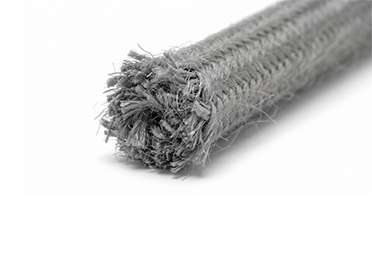
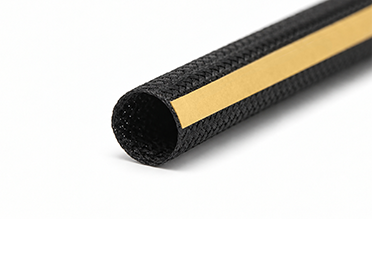
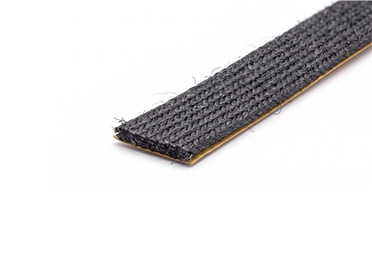
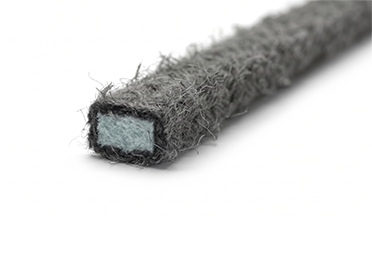
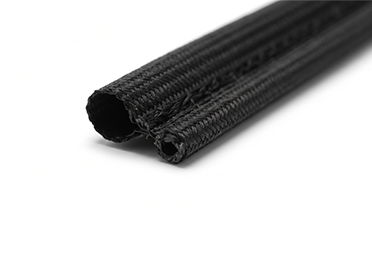
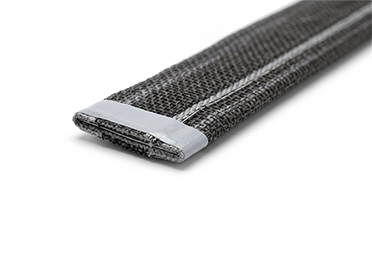
The seal, often made of fiberglass or braided rope, is located around the door of the insert or stove. Over time, it can deteriorate and lose its effectiveness.
Signs that your seal is worn:
- Smoke leaks or black deposits around the door.
- A door that closes poorly or is no longer perfectly flush.
- A seal that is hard, crushed, or frayed to the touch.
- Irregular combustion, draft too strong, or overheating.
Why quickly replace a damaged seal?
- To avoid overconsumption of wood or pellets,
- To guarantee optimal and clean combustion,
- To maintain the safety of your installation,
- To remain compliant with the DTU 24.1 and EN 13229 standards.
Find our high-temperature seals for stoves and inserts, suitable for all brands (Supra, Godin, Invicta, Deville, etc.).
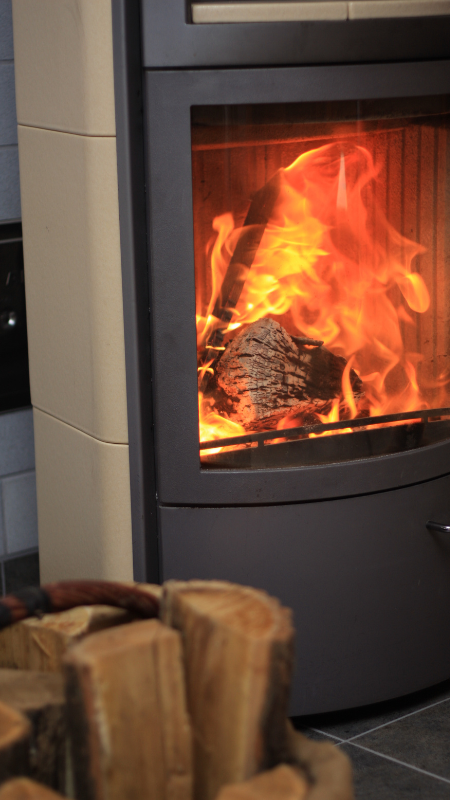
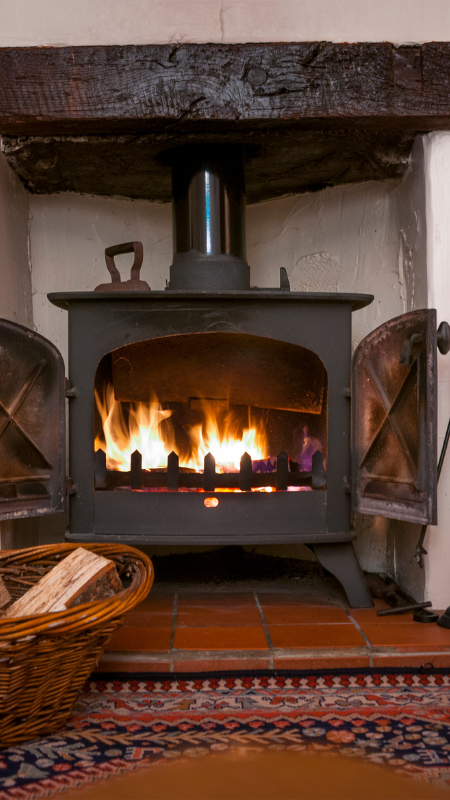
Dirty glass: mistakes to avoid when cleaning
The ceramic glass of your insert or stove withstands very high temperatures, but it remains sensitive to improper cleaning methods.
Common mistakes to avoid:
- Using a metallic or abrasive sponge, risk of irreversible scratches.
- Cleaning the hot glass, risk of thermal shock that can crack the glass.
- Using standard household products, risk of altering the surface treatment.
- Applying mechanical force on stubborn deposits, risk of cracks.
The right habits to maintain your glass:
- Wait for complete cooling before any intervention.
- Use a special insert glass cleaner or slightly damp fine ash on a soft cloth.
- Regularly check the condition of the seals: a worn seal promotes premature fouling of the glass.
- Choose dry wood (less than 20% moisture) to limit soot deposits.
Tip: self-cleaning glass, a practical solution
Some modern appliance models are equipped with self-cleaning glass, treated to resist soot deposits.
To learn more: Why choose self-cleaning glass?
Also read:
- How to replace your insert or wood stove glass?
- What is the NightFlame ceramic glass by SCHOTT ROBAX®?
- How to effectively clean insert, stove, and fireplace glass?
A worn seal or dirty glass directly impacts the safety, performance, and lifespan of your heating appliance.
At Capska, we offer:
- High-temperature replacement seals,
- Certified custom ceramic glass,
- Suitable maintenance accessories.
Loading...
check_circle
check_circle